

Water Treatment for Catering
Plan for the water demands before departure, during an event and when the equipment comes back.
How should caterers plan water treatment across venues?
PLAN A CATERING WATER REVIEWThree stages of the event create different loads
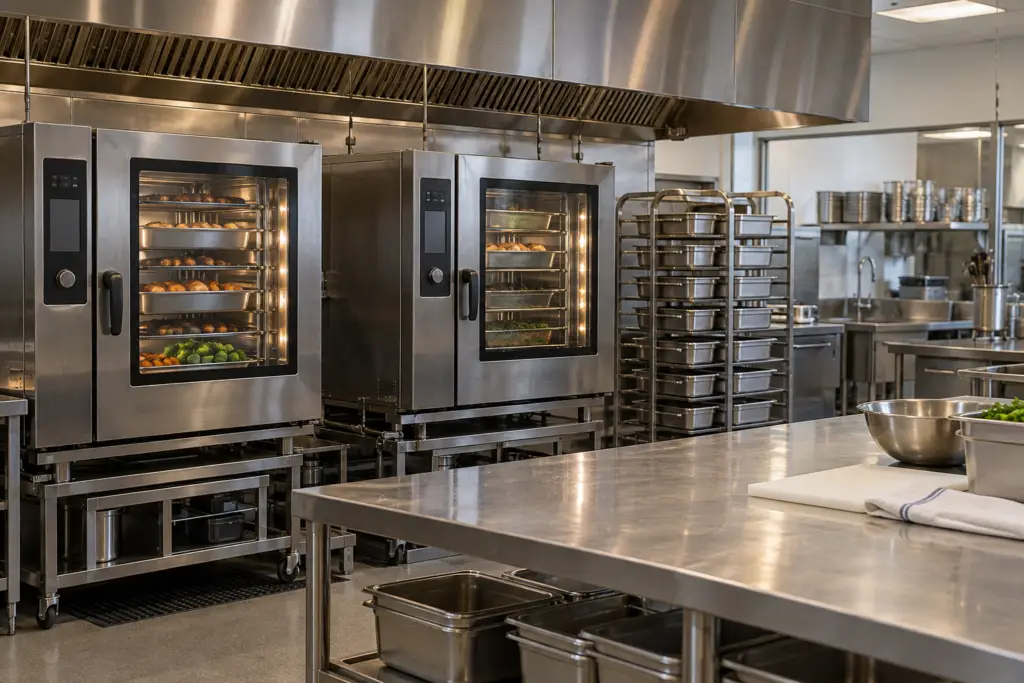
Commissary production
Steam ovens and other water-fed cooking equipment may fill together before dispatch. Compare their inlet specifications and fill rates with the source report and the production schedule.
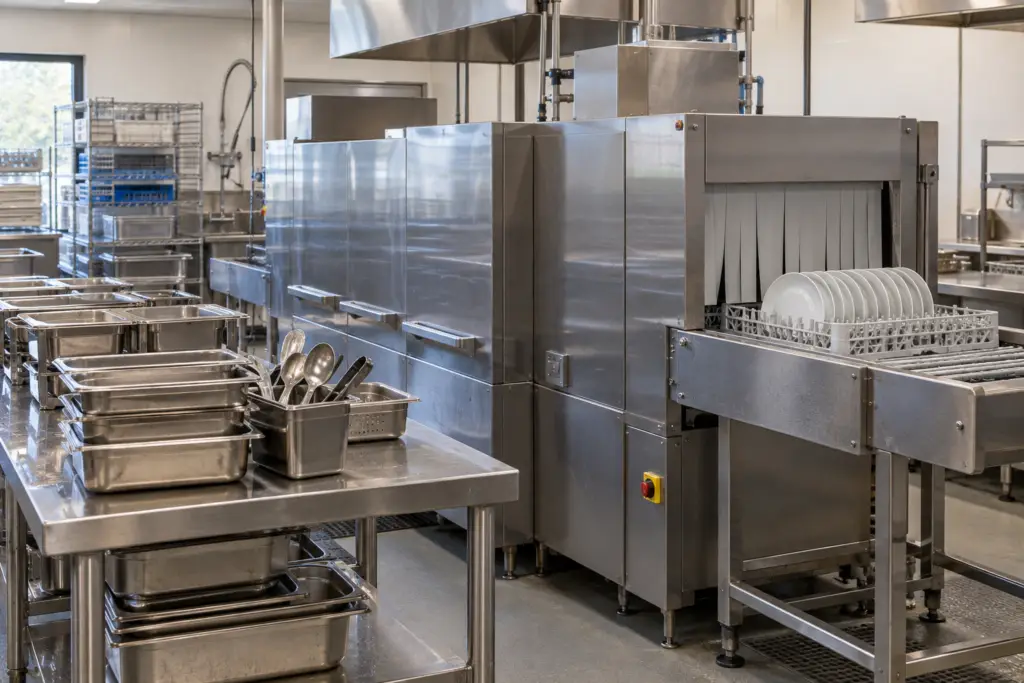
Returned ware & equipment
Large returns of pans, glassware and serving equipment can concentrate washing into a short shift. Assess hardness alongside detergent dosing, rinse conditions and available hot water.
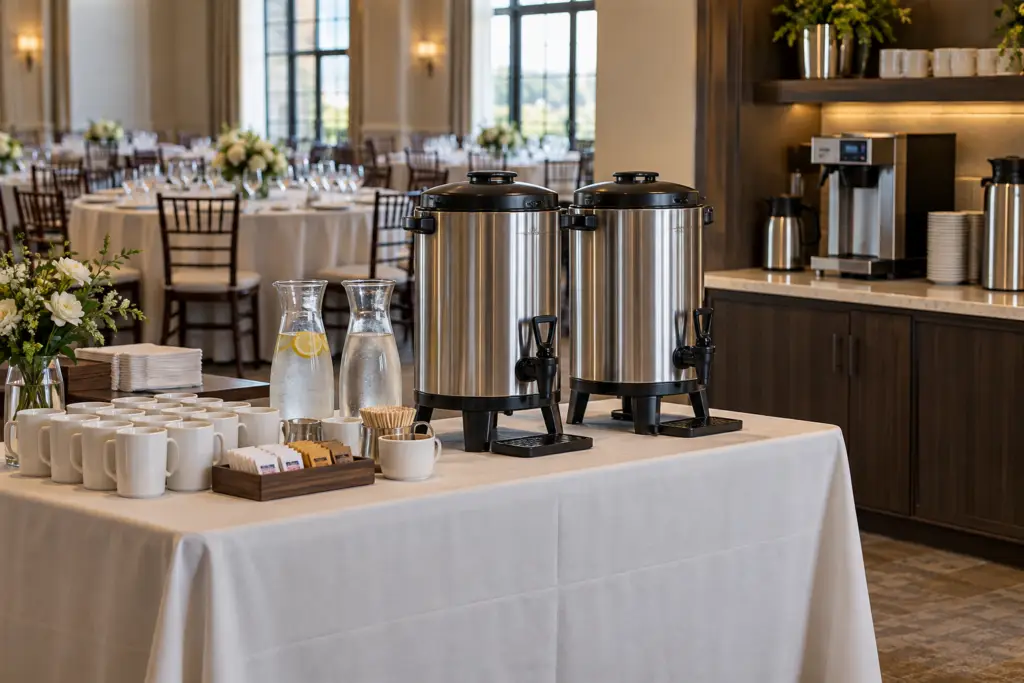
Event beverage service
Mobile brewers, ice equipment and water-fed holding units need suitable connections at the venue. Confirm the supply and equipment instructions before relying on a portable filter or stored water.
Separate permanent infrastructure from event needs
Ideal Water Solutions can help define the commissary’s treatment loads and the information needed for mobile equipment. Capacity should reflect scheduled events and cleaning cycles, with room to service equipment between them.
Water softening
Where hardness affects the return dish room, size regeneration capacity for concentrated wash shifts rather than an average daily load.
Filtration
Specify filtration for an identified concern on a beverage or equipment feed. Verify compatibility when that equipment moves to a different supply.
Reverse osmosis
Some steam equipment may justify lower-mineral feed water. Evaluate its written limits, batch fill volume and storage requirements before selecting RO.
Consulting & planning
Use the event calendar and commissary layout to plan treatment capacity, temporary connections and maintenance between production runs.
Review the event calendar against water capacity
Provide your largest batch, typical return volume and equipment list. Note which machines travel, what venues supply and where drainage or storage is limited. These details make the assessment useful for both the commissary and event setup.
PLAN WATER SAMPLINGTell us about your next production challenge
Share whether the concern is in the commissary or at a venue, along with equipment details and expected event size.
Questions about commissary and event water
Can a portable filter make any venue supply suitable?
No. A filter addresses only the conditions it is designed for. Confirm an acceptable source, the equipment’s water requirements and local event procedures before deciding whether additional treatment is useful.
Should treatment be sized by meals produced?
Meal count is useful context, but simultaneous equipment fills and washdown can drive the design. Include batch timing, machine consumption and returned-ware loads in the demand calculation.
Can returned glassware explain a late-night pressure problem?
It may. Several washers or sinks operating together can exceed available flow. Measure pressure during the return shift and check filter restriction and supply capacity before replacing treatment.
What water information should a caterer request from a venue before arrival?
Request the designated supply location, available pressure and flow, connection details, relevant water information and any restrictions on equipment hookup. Compare these with the machines being brought to the event. Confirm a venue contact who can resolve supply or access problems during setup.
Does treated water remove the need for event sanitation procedures?
No. Handling, transport, storage and equipment sanitation remain part of the caterer’s applicable food-safety program. Treatment equipment must be operated and maintained within that program.
How should portable treatment equipment be prepared between events?
Follow the manufacturer’s cleaning, storage and recommissioning instructions for the complete unit and its hoses. Protect connections during transport and record service dates. Before the next event, confirm supply compatibility and complete the prescribed flushing or checks; a used cartridge should not be assumed ready indefinitely.