
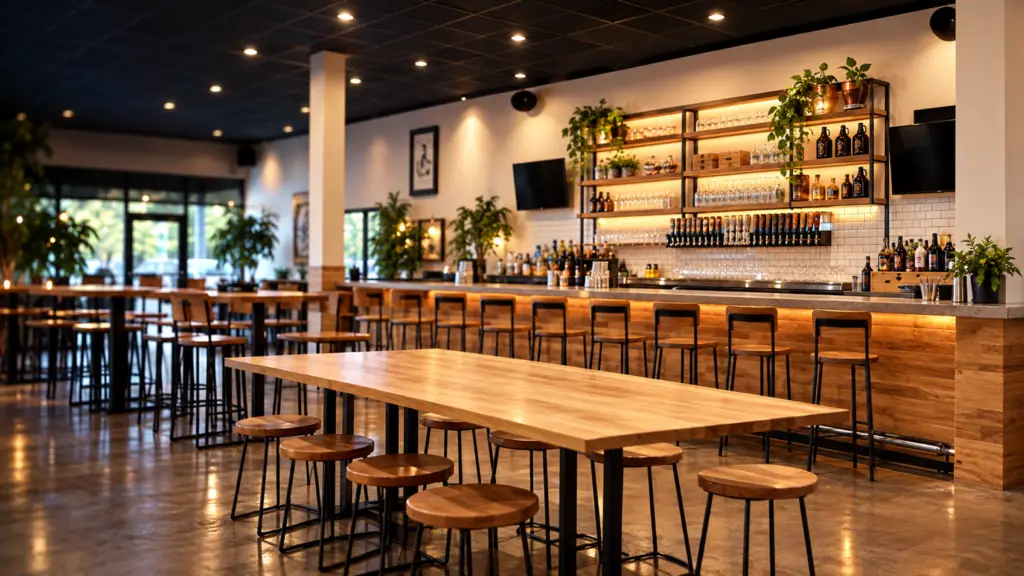
Water Treatment for Bars
Plan ice, mixer water and glasswashing around the hours when the bar is busiest.
What water treatment does a busy bar need?
REVIEW YOUR BAR’S WATERThree details guests notice in every round
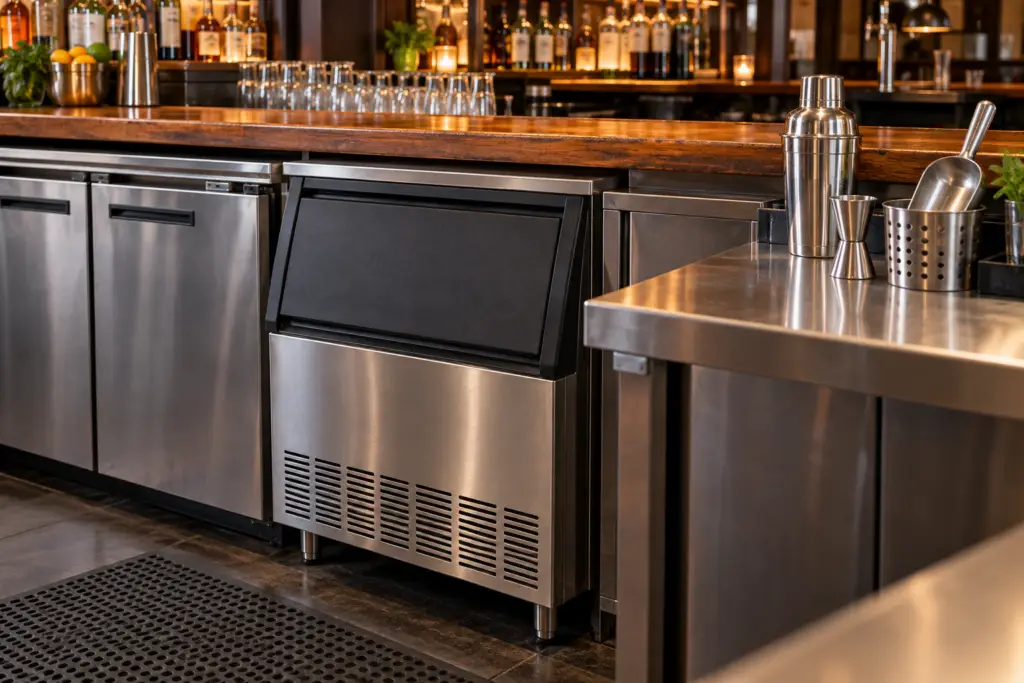
Cocktail & service ice
Record the ice machine’s water specification and production cycle. Investigate taste, deposits or reduced fill pressure alongside cleaning history and the machine’s condition.
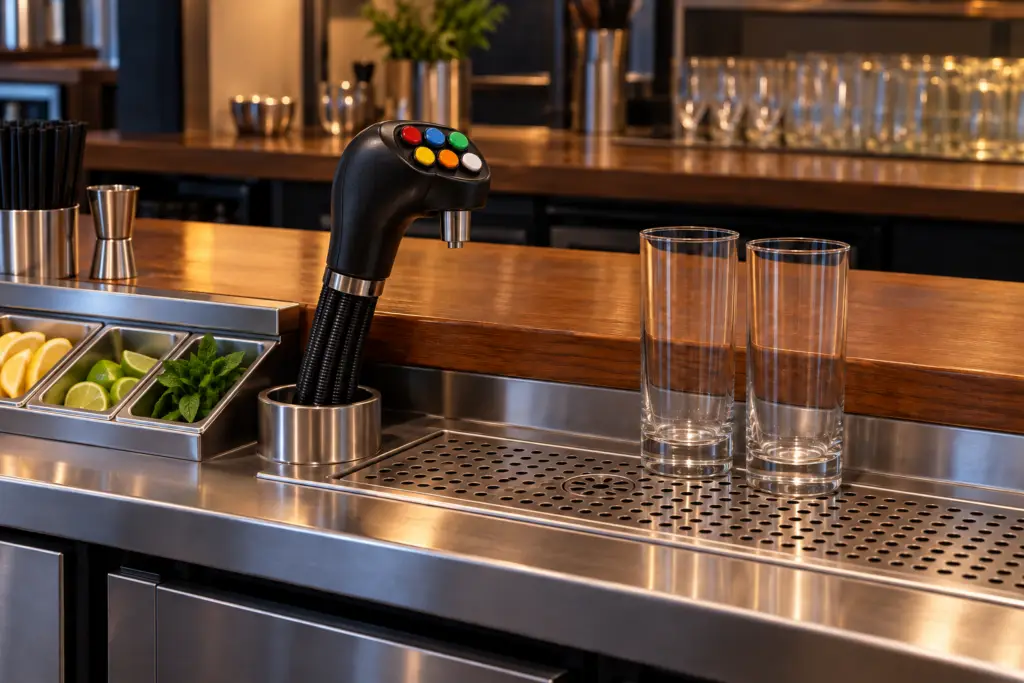
Soda & mixing water
Water entering a beverage system must suit its equipment and recipe requirements. Compare source and delivered water when staff report a flavor change, including any recent filter or supply change.
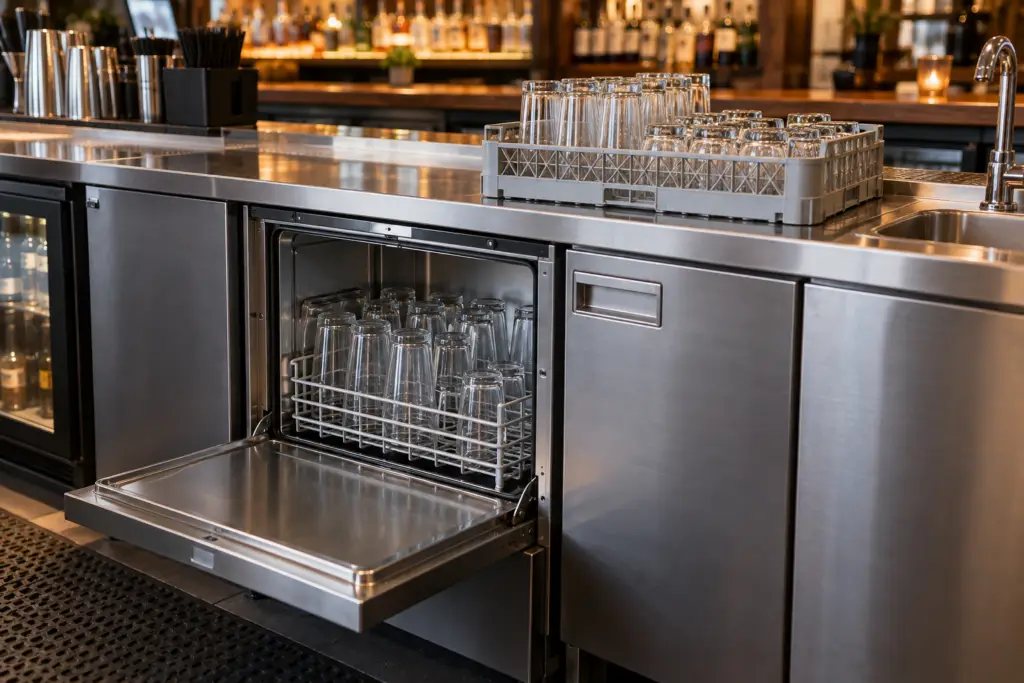
Glasswashing
Fast turnover leaves little time for repeated washing. Check hardness, rinse conditions and chemical dosing together when spotting or residue appears on clean glasses.
Fit treatment into the working backbar
Ideal Water Solutions can help separate compatible feeds and place serviceable equipment where staff can reach it. Evaluate performance during simultaneous ice production, beverage draw and glasswashing.
Filtration
Choose ice and beverage filtration for the actual concern and disinfectant conditions, with sufficient capacity through a full service period.
Water softening
Consider hardness control for glasswashing or other specified equipment when deposits are confirmed. Coordinate the resulting water with the washer’s chemical program.
Reverse osmosis
Lower-mineral water may suit a defined ice or beverage specification. Confirm manufacturer acceptance, storage space and delivery pressure before selecting RO.
Maintenance & repair
Inspect existing filters, valves and bypass settings when beverage pressure falls or treated-water quality changes during the busiest shifts.
Check demand during an actual service rush
Bring ice-machine and glasswasher models, beverage connections and the busiest-hour pattern. Include cartridge history and available cabinet space. This helps establish whether chemistry, restriction, production capacity or a combination needs attention.
LEARN ABOUT WATER TESTINGTell us what is happening behind the bar
Describe the ice, mixer or glassware concern, when it appears and which equipment is connected. Add photos of the treatment area if available.
Ice and backbar water questions
Will a water filter make cocktail ice completely clear?
It cannot guarantee that result. Ice appearance also depends on the machine and freezing process. Identify the water condition and equipment requirements before choosing treatment for a clarity goal.
Can one filter serve both the soda gun and ice machine?
Possibly, if the filtration requirements agree and the filter can meet combined flow. Check the beverage-system supplier’s requirements and the ice-machine instructions before sharing the connection.
Why does the ice bin run out even with treated water?
Treatment does not increase the machine’s rated production or bin storage. Review ice consumption, ambient conditions, cleaning and production capacity alongside feed-water pressure.
How can staff distinguish a water-related flavor complaint from a beverage-system problem?
Record which drinks and stations are affected, then compare the supplied water separately from the finished drink. Review syrup, carbonation, line cleaning and recent service with the beverage supplier. A complaint limited to one line does not by itself justify changing treatment for the entire bar.
How should filter changes be scheduled around late service?
Use the required service interval and observed demand to plan a staffed maintenance window. Allow time for prescribed flushing and checks before reopening the affected beverage or ice connection.
What should be checked when a seasonal outdoor bar reopens?
Inspect treatment and connections for storage or weather damage, review cartridge age and follow the manufacturers’ restart and cleaning instructions. Verify the supplied water and operating pressure before service, including simultaneous ice production and beverage draw. Assign ongoing checks for the season.