
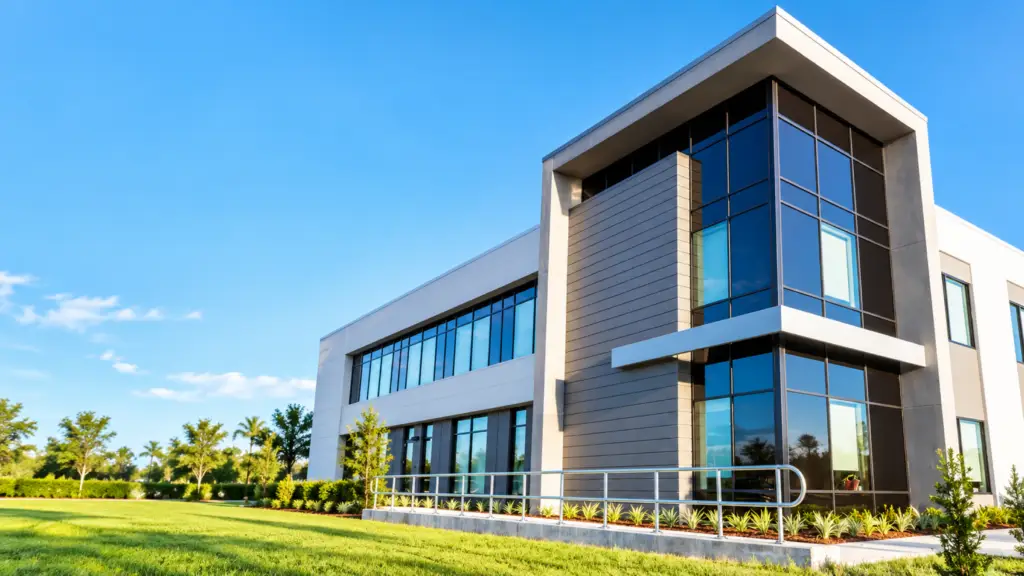
Water Treatment for Urgent Care Centers
Resolve facility water concerns within the space, access and extended hours of a walk-in care center.
What makes a water-treatment plan practical for urgent care?
ASSESS YOUR URGENT-CARE WATERSeparate suite conditions from building conditions
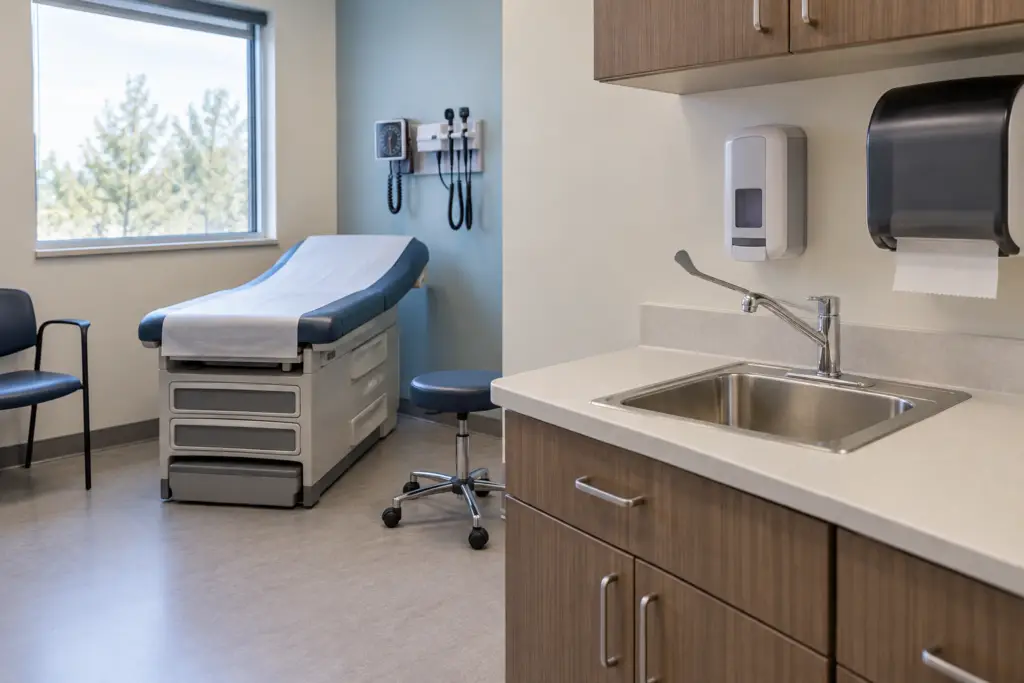
Exam-room sinks
Determine whether a reported restriction is limited to one room or occurs across the center. Compare fixture condition and branch pressure before attributing the issue to water chemistry.
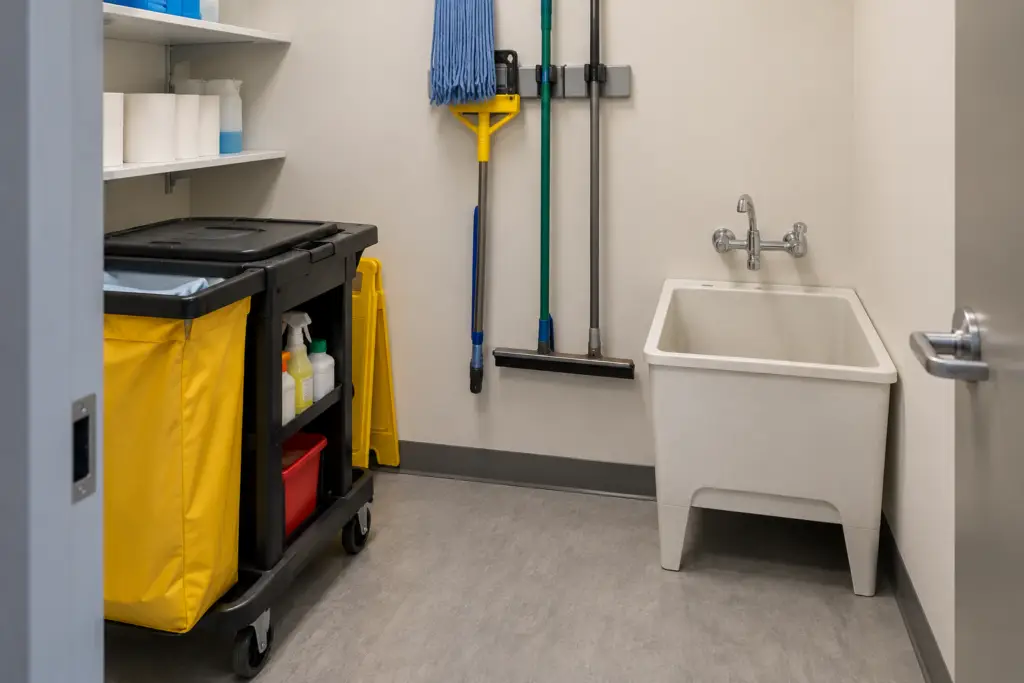
Cleaning & restrooms
High-turnover periods can concentrate fixture and cleaning demand. Check heater performance and measured hardness separately, then consider whether treatment would address the documented maintenance issue.
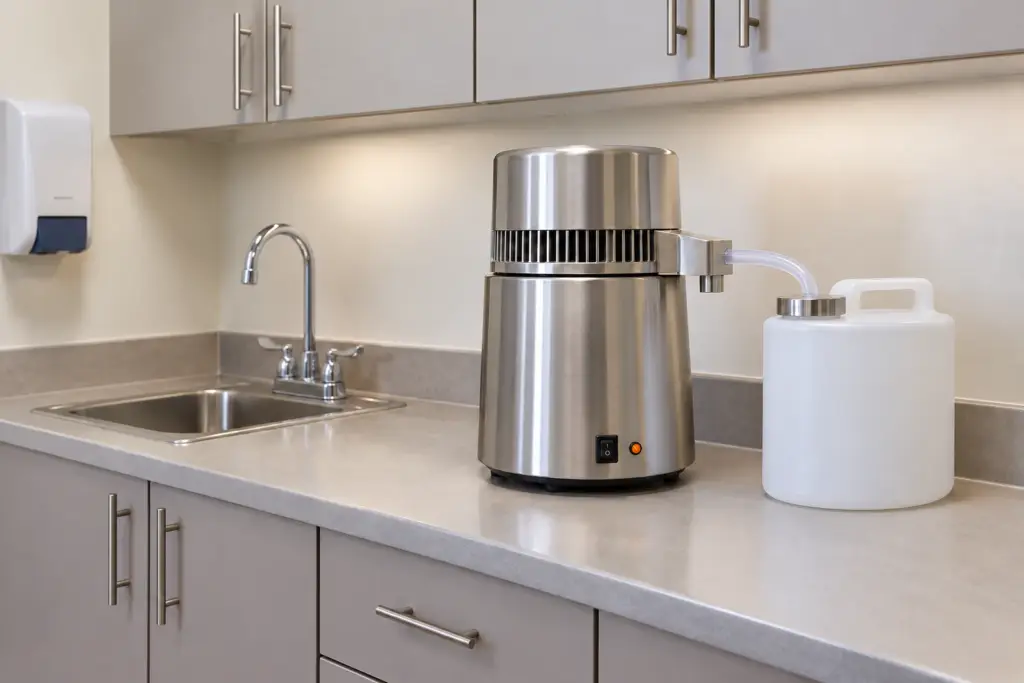
Specified equipment
Inventory only the water-connected devices actually used at the site. Their instructions establish whether ordinary facility water is suitable or a dedicated supply must be evaluated.
Prioritize changes the center can operate and service
Ideal Water Solutions can assess the affected connections and utility constraints with the operator and property team. A compact installation still needs accessible shutoffs, drainage and room for routine service.
Filtration
Use targeted filtration when a measured condition or specified support device justifies it, with cartridge access outside crowded patient circulation where practical.
Water softening
Consider treatment of a center-controlled heater feed when hardness-related deposits are confirmed and suitable regeneration, drain and service arrangements exist.
Maintenance & repair
Evaluate existing treatment when pressure or performance changes, especially if cartridge replacement has been deferred during extended operating hours.
Consulting & planning
Resolve landlord approvals, utility ownership and equipment placement before committing to treatment during a new-site fit-out or expansion.
Confirm who controls the supply
Bring the lease utility boundaries, floor plan, operating hours and water-connected equipment list. Record when complaints occur and whether other tenants are affected. These details help focus investigation on the suite or the shared building system.
ARRANGE WATER ANALYSISTell us about your urgent-care location
Share whether the center is leased or stand-alone, the affected fixtures or machines and your evening or weekend access constraints.
Urgent-care site planning questions
Can we install treatment in a leased retail suite?
Possibly, subject to the lease, building approvals and suitable utilities. Establish who controls the incoming supply, drainage and hot water, and who will maintain any installed equipment.
Why does pressure change when neighboring tenants are busy?
Shared supply conditions may be involved. Compare pressure at the suite entry and affected fixtures during those periods before assuming local water-treatment equipment is the cause or solution.
Should every urgent-care site use the same equipment package?
Standardize the assessment and service expectations, then adapt equipment to each site’s chemistry, utilities and devices. Identical floor plans do not guarantee identical water conditions.
Can treatment service be scheduled after the last appointment?
Walk-in hours can extend beyond scheduled activity. Agree on an actual closure or approved isolation window, including the time required for restoration checks before the next opening.
What if the center opens on holidays when building staff are unavailable?
Establish access, utility responsibilities and escalation contacts with the property team. Treatment maintenance and response arrangements should reflect the hours the center actually operates, including evenings and holidays.