
Match the water infrastructure to the examinations, procedures and support equipment your practice actually provides.
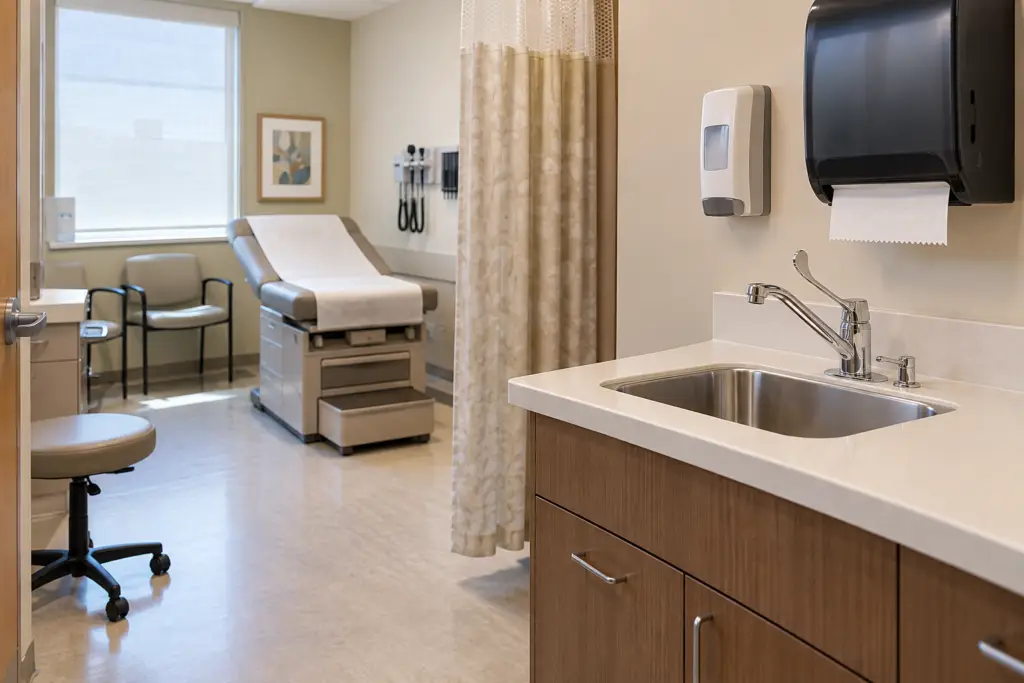
Investigate deposits or flow concerns at the affected sinks and branches. Record room availability and access routes so inspection can be coordinated without entering occupied examination areas.
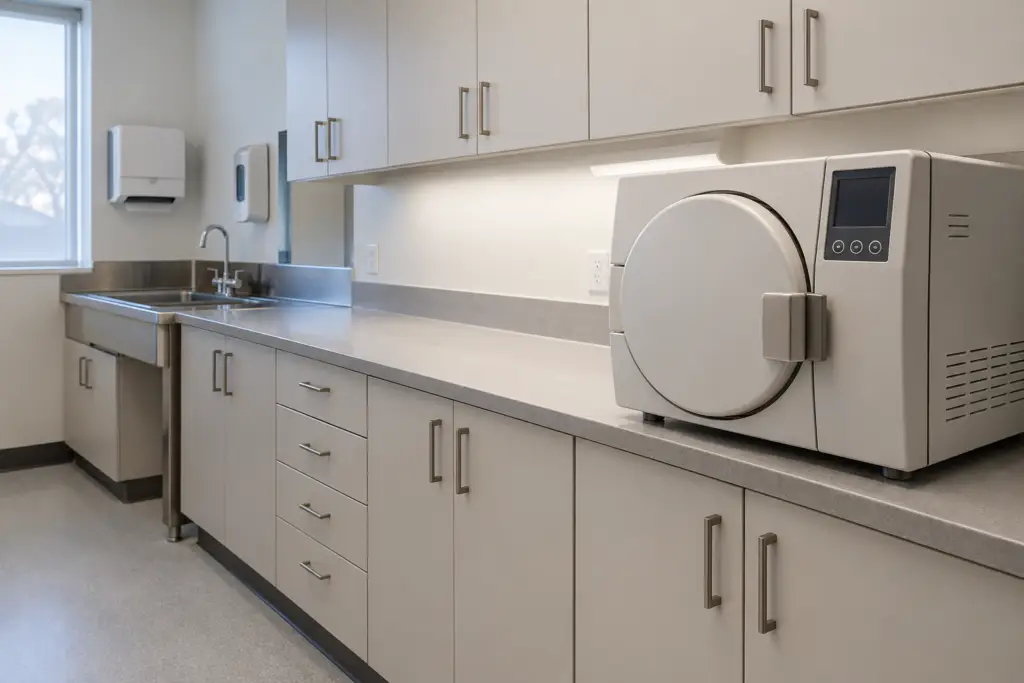
Where reusable equipment is processed, follow the device and processing-system instructions for each water-dependent step. Confirm which tasks occur on site and which are handled elsewhere.
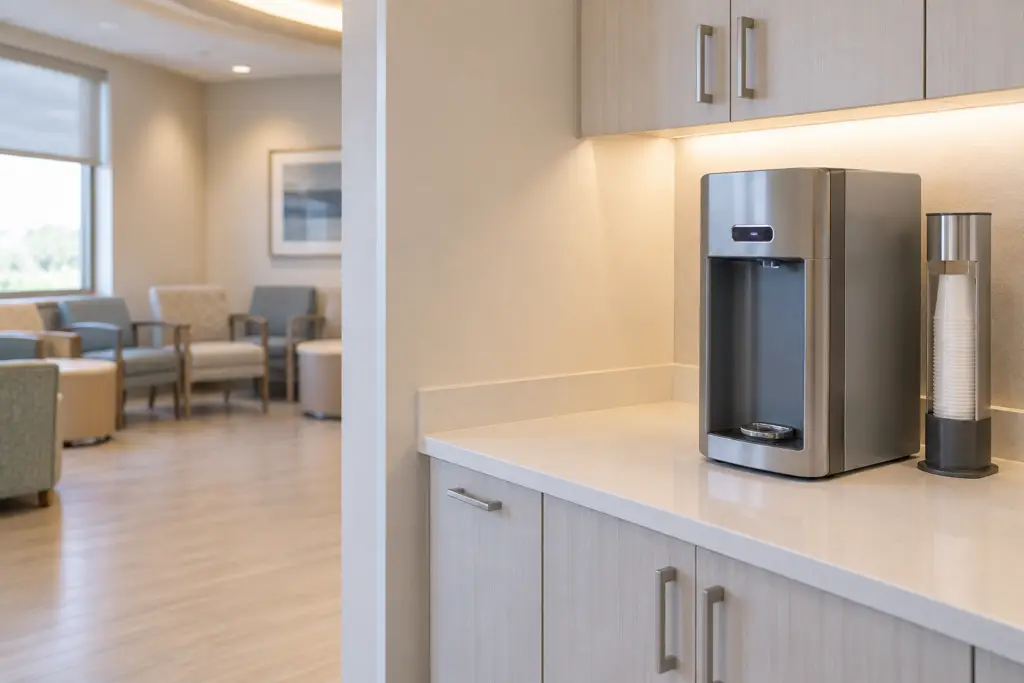
Restroom fixtures and drinking-water equipment serve a different purpose from procedure equipment. Evaluate reported taste, deposits or heater concerns at those actual connections.
Ideal Water Solutions can review facility conditions with the practice’s designated equipment and clinical contacts. Specialized recommendations require the applicable written specification and qualified acceptance process.
Compare source and affected outlet conditions when investigating a localized concern, with specialized sampling defined by the applicable equipment or program requirements.
Consider a dedicated filter for a confirmed staff or patient drinking-water concern, with maintenance assigned separately from clinical equipment routines.
Evaluate dedicated treatment only where the practice’s actual device or processing requirements justify it, including the specified monitoring and service provisions.
Coordinate new procedure equipment, privacy-sensitive access and utility work before finalizing a room conversion or expansion.
Share the water-connected equipment list and identify any processing performed on site. Include relevant instructions, room schedules and building responsibilities. This allows the assessment to distinguish ordinary maintenance from a specified equipment-supply project.
DISCUSS APPROPRIATE WATER TESTSDescribe the concern or planned service change, the rooms affected and the team member responsible for equipment requirements.
Does changing a device-reprocessing method require reassessing its water supply?
Review the new device, chemical and processing-equipment instructions before implementation. Identify changes to water quality, connections or cycle demand and document the required verification. A supply accepted for the previous process should not automatically be carried over to a different method.
Can an exam room become a procedure room without reviewing water?
Review the proposed procedures and equipment first. A change in services may introduce requirements that the room’s existing fixtures and supply were not designed to meet.
What if all reusable devices are processed elsewhere?
Document that arrangement and identify any remaining water-dependent tasks in the practice. Treatment should follow the on-site scope rather than assumptions about a typical specialty office.
How can service access preserve patient privacy?
Plan routes, room closures and timing with the practice manager. Accessible utility locations can allow some maintenance outside examination rooms, subject to the actual plumbing layout.
Does better-tasting drinking water indicate suitability for clinical use?
No. Taste is not a clinical water specification. Water for a defined device or procedure must meet its written requirements and the practice’s verification procedures.
