
Coordinate the bathing, linen and meal-service demands that keep a nursing facility operating throughout the day.
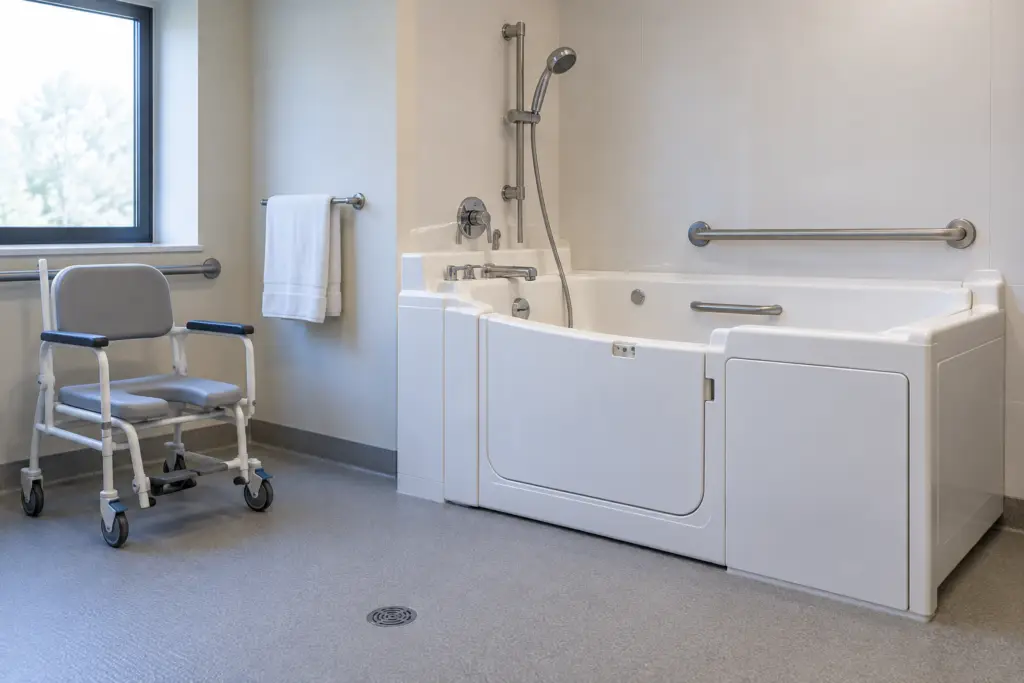
Check fixture deposits and branch flow alongside the bathing schedule. Treatment decisions must remain coordinated with the facility’s water program and temperature-control procedures.
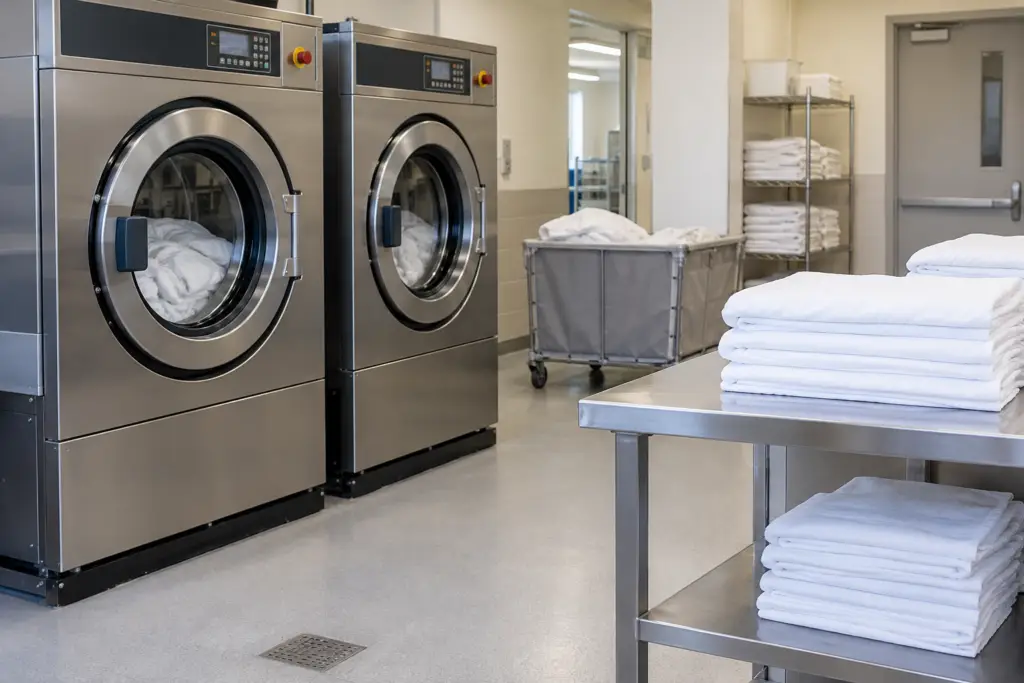
Evaluate hardness and washer demand with the laundry chemical supplier. Include actual linen volume and simultaneous fills rather than sizing solely from licensed bed count.
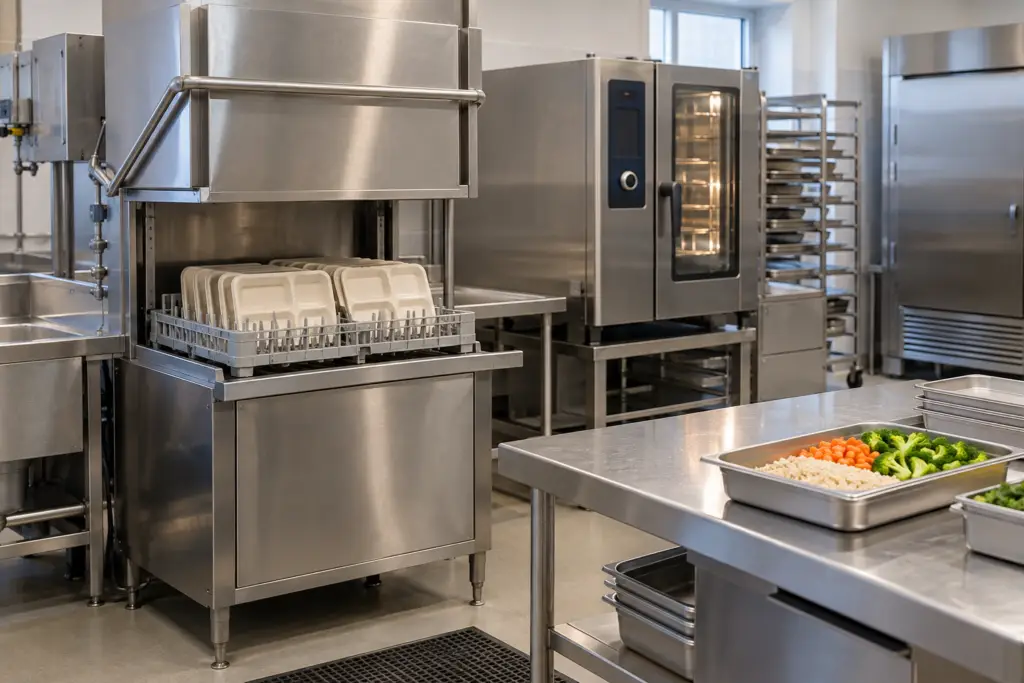
Dishwashers, steam equipment and ice machines can have different inlet requirements. Trace their feeds before deciding whether they can share treatment with laundry or building hot water.
Ideal Water Solutions can compare the daily load pattern with existing treatment performance. Recommendations should identify who will inspect equipment, replenish consumables and arrange service.
Where hardness affects linen washing or hot-water equipment, assess capacity through overlapping bathing, laundry and dietary peaks.
Select treatment for a defined dietary-equipment requirement or measured supply concern, with maintenance reviewed under facility procedures.
If softening is warranted, align salt storage and deliveries with actual regeneration demand and routes that avoid resident areas.
Investigate exhausted capacity, valve settings and restrictions when existing treatment fails during the facility’s busiest support-service periods.
Share bathing periods, washer cycles, meal-preparation loads and recent service records. Include water results and equipment models so the assessment can separate chemistry problems from overlapping demand or heater limitations.
REVIEW WATER-TESTING OPTIONSDescribe the bathing, laundry or dietary concern and when it occurs. Identify the maintenance contact coordinating with care teams.
Is bed count enough to size a softener?
No. Laundry arrangements, bathing schedules and dietary equipment change both volume and peak flow. Use bed count as context alongside measured or calculated equipment demand.
What changes if linen washing is outsourced?
Remove outsourced loads from the on-site calculation, while retaining any personal-laundry or housekeeping equipment. Existing treatment may need settings reviewed after a significant demand reduction.
Will softening resolve every bathing-water complaint?
No. Temperature, pressure, fixture condition and water chemistry require separate assessment. Facility care and water-management procedures govern how reported concerns are investigated and addressed.
Can salt deliveries avoid resident corridors?
Review the actual storage location and delivery route during design. Relocating access or adjusting inventory may be useful if existing handling interrupts occupied areas.
Can the kitchen and laundry share treatment?
They may share a system where specifications and combined flow are compatible. Check each dietary machine separately and confirm that regeneration does not undermine required treatment availability.
How should recurring linen discoloration be investigated when hardness is acceptable?
Compare incoming and washer-feed results for relevant constituents, including iron where indicated, and review plumbing condition, laundry chemistry and machine maintenance. Record affected loads and timing with the chemical supplier. Acceptable hardness confirms only one part of the wash-water profile.
