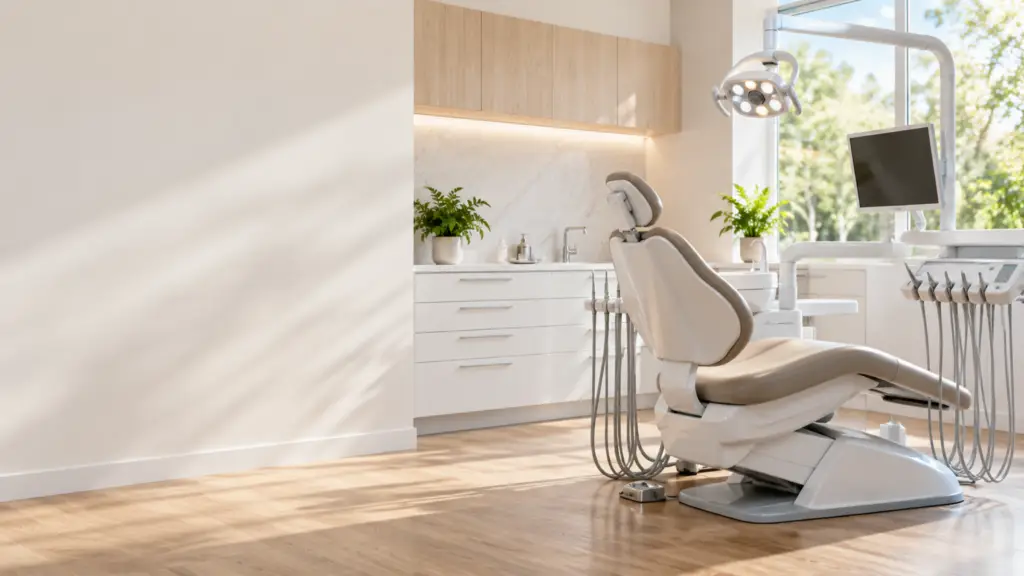
Give each dental unit and processing device the specified supply while keeping waterline management clearly defined.
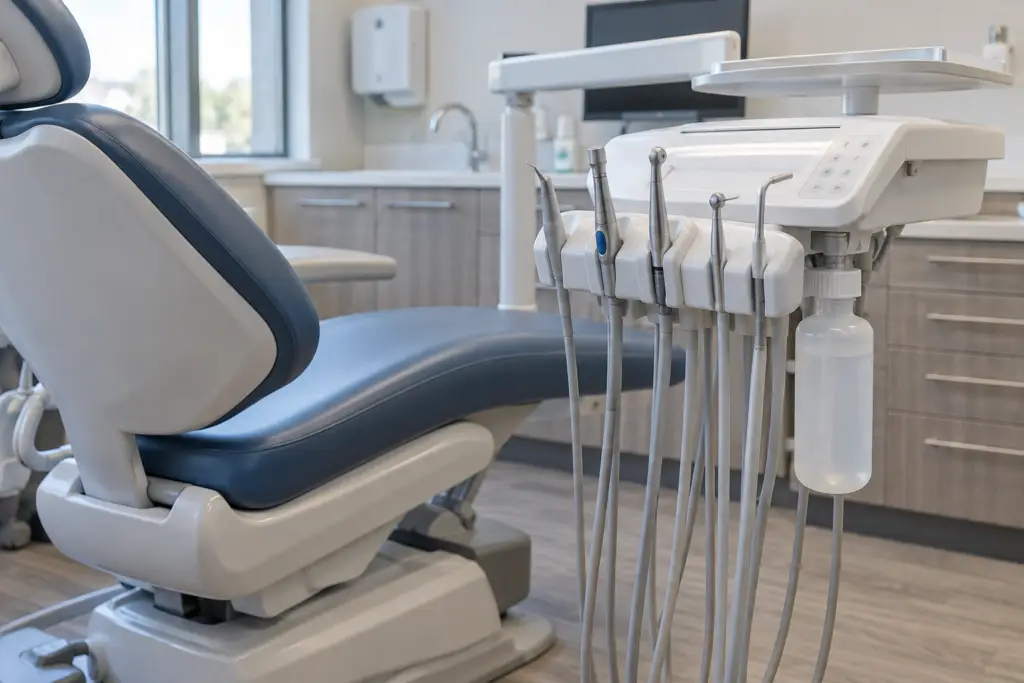
Document how each chair receives water and the unit manufacturer’s requirements. Include the practice’s waterline treatment and monitoring procedures in any proposed supply change.
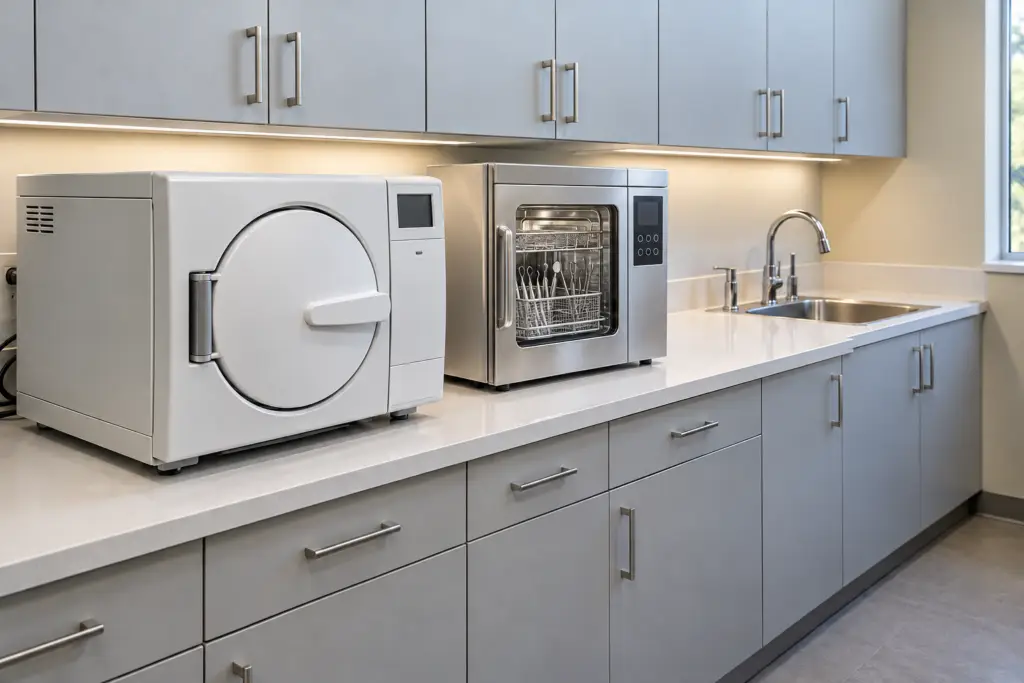
Check washer, sterilizer and device instructions for required water quality at each step. Water described simply as filtered or softened may not meet the specified application.

Staff drinking water, sinks and hot-water equipment create ordinary building demands. Evaluate those concerns separately so a fixture problem does not drive an unrelated change to dental-unit water.
Ideal Water Solutions can assess incoming water and defined equipment feeds. The dental team retains responsibility for clinical procedures, waterline management and acceptance under applicable guidance and instructions.
Evaluate a dedicated supply where chair or processing equipment specifies one, including storage, distribution and required maintenance.
Characterize source chemistry for equipment selection. Arrange any prescribed waterline monitoring through the practice’s program using the appropriate methods.
Review existing purification equipment, filters and controls when the delivered feed no longer meets the specified operating requirements.
Coordinate new chairs, processing equipment and plumbing changes with the suppliers and the practice’s waterline-management responsibilities.
Provide chair models, reservoir or supply arrangements, processing-device specifications and current treatment details. Identify the practice’s waterline-program owner so infrastructure work and clinical maintenance remain coordinated.
DISCUSS EQUIPMENT-WATER TESTINGShare the chair and processing-device models, existing treatment and the specific supply concern or planned expansion.
How should the practice respond to a waterline test outside its specified limit?
Follow the unit and waterline-product manufacturers’ corrective instructions and the practice’s written program. Include required retesting and review by the responsible qualified team before returning affected equipment to use.
Can an independent chair reservoir be filled from any filtered tap?
Only if the supplied water and handling procedure meet the unit manufacturer’s instructions and the practice’s approved program. A general filter does not establish that suitability.
Can chair water be assumed suitable for surgical irrigation?
No. Follow the applicable requirements for sterile solutions and appropriate delivery devices. Ordinary dental-unit output should not be treated as a substitute for a specified sterile product.
Do a sterilizer and dental chair need identical water?
Not necessarily. Review each manufacturer’s instructions and the processing requirements for the devices involved. Separate feeds may be needed where specifications differ.
What should be reviewed when adding chairs?
Check supply capacity, pressure, treatment production and distribution, along with the added waterline maintenance workload. Update the practice’s equipment records and required verification procedures.
How should dental-unit water systems be managed during an extended practice closure?
Use the dental-unit and waterline-treatment manufacturers’ shutdown and restart instructions within the practice’s program. Assign responsibility for required treatment, monitoring and documentation before patient use resumes. Do not assume that draining a reservoir or briefly flushing a line completes every required restart step.
What should be reviewed before changing a dental waterline-treatment product?
Confirm compatibility with the dental unit and follow the product and equipment manufacturers’ instructions for transition, use and monitoring. Update the practice’s written procedures and staff training. A familiar active ingredient or similar label does not establish that two products have interchangeable procedures.
