
Coordinate shared water infrastructure with the changing needs of retail and foodservice tenants.
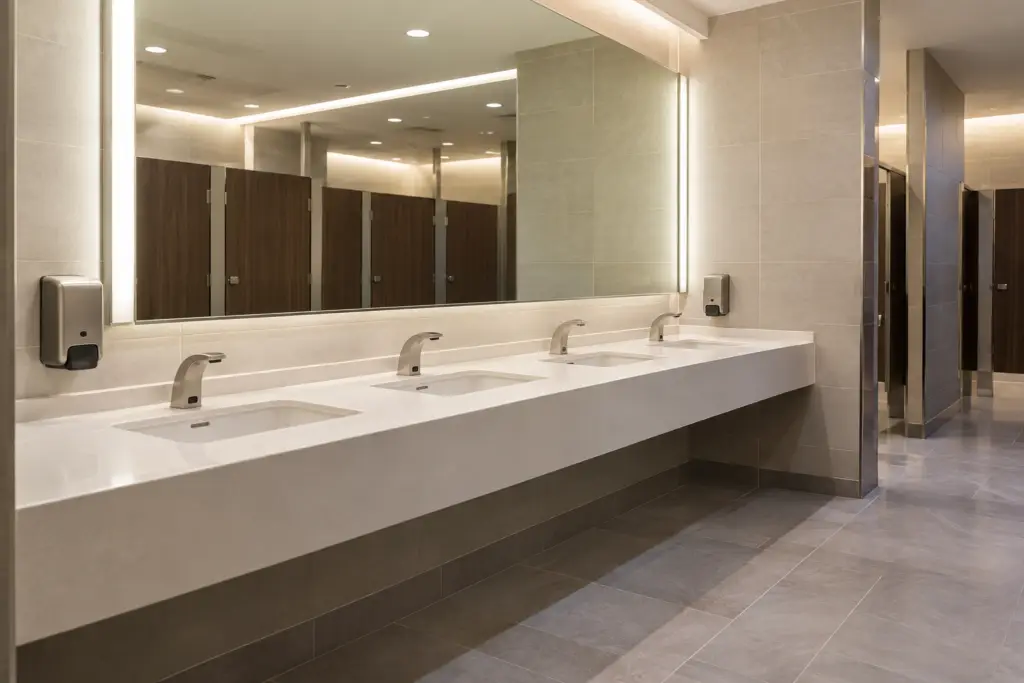
High traffic creates heavy fixture and cleaning use. Investigate deposits and pressure complaints by zone, accounting for peak shopping periods and the condition of the fixtures themselves.
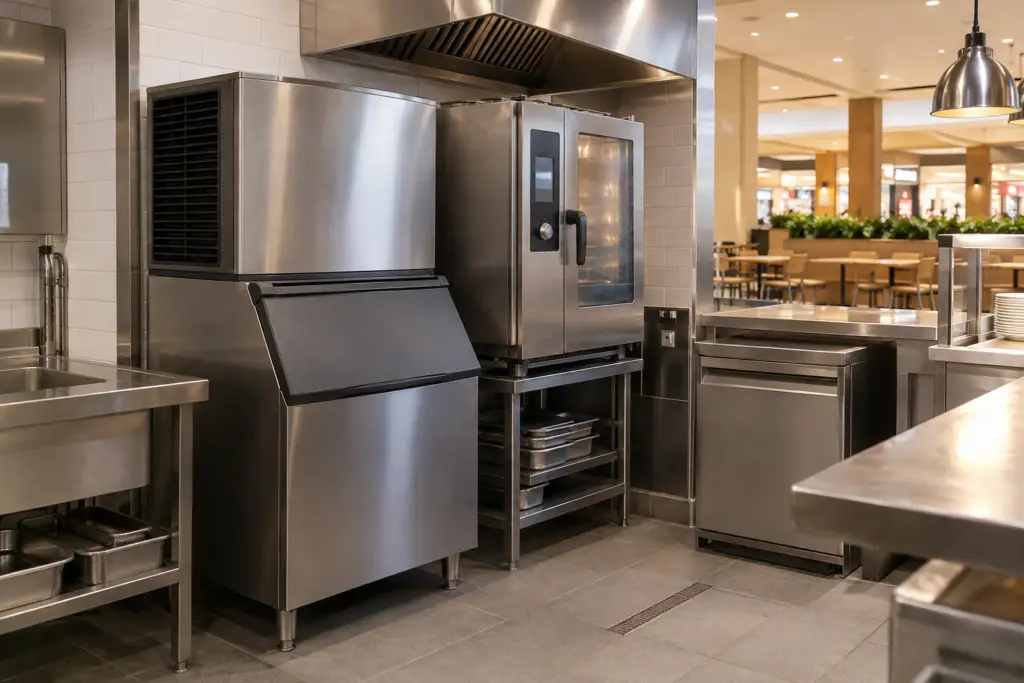
Ice machines, dishwashers and cooking equipment vary between tenants. Collect their written requirements and simultaneous loads before specifying a shared treatment connection.
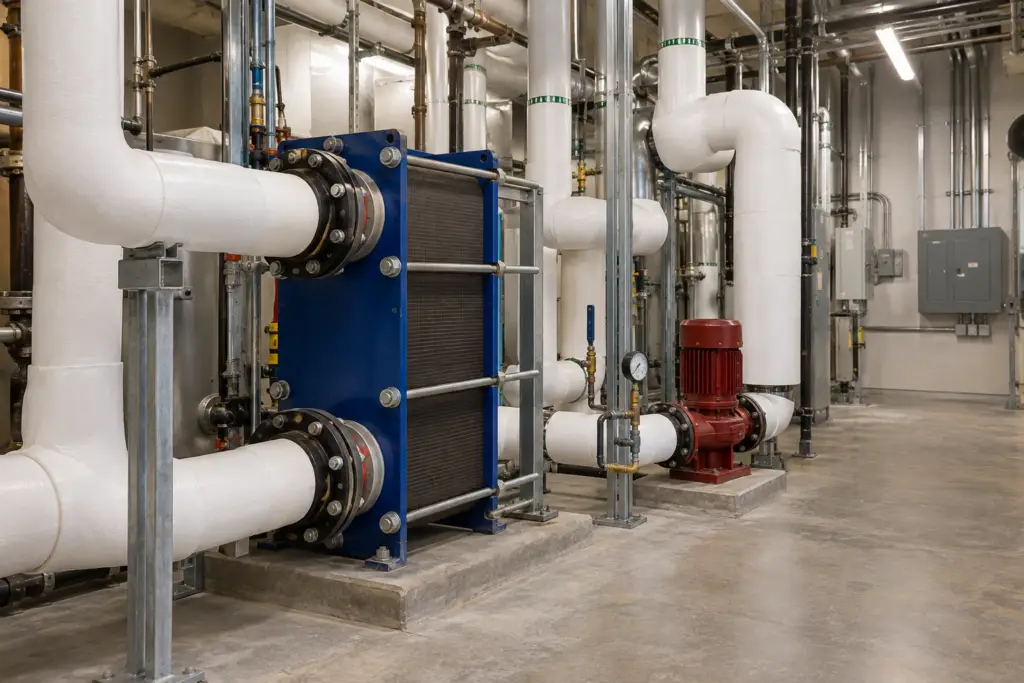
Cooling and heating makeup serve the whole property under their own operating programs. Evaluate chemistry and seasonal demand independently of individual tenant equipment.
Ideal Water Solutions can support the property team in defining common treatment and tenant-specific needs. A serviceable layout and documented ownership make future lease changes easier to assess.
Establish source and representative tenant-connection conditions so fit-out decisions use the water actually supplied by the property.
Consider hardness control for affected common heaters or compatible foodservice branches, with capacity checked against combined peak demand.
Target an identified common-supply condition or specific tenant equipment requirement, keeping the treatment function and replacement responsibility explicit.
Coordinate new tenant loads, service-corridor access and shutdown notices before modifying common water infrastructure.
Share utility diagrams, common-equipment details, available test results and planned leasing changes. Include foodservice schedules and ownership boundaries to identify where the mall should act and where tenant equipment needs separate design.
ASSESS THE SUPPLIED WATERDescribe the shared-system concern or planned tenant change and identify the property contact responsible for utility coordination.
Can a new restaurant inherit the former tenant’s filter?
Only after its condition and suitability are checked against the new equipment. A different menu or machine lineup can change water quality, capacity and service requirements.
Should holiday traffic be included in treatment sizing?
Yes, where it drives the required peak. Include concentrated restroom and food-court use, while separating those loads from seasonal mechanical demand.
Who replaces cartridges in a landlord-installed tenant system?
Set that responsibility in the applicable property arrangements and service plan. Installation by the landlord does not by itself establish who will perform ongoing maintenance.
What water information belongs in a tenant fit-out package?
Provide available source results, the quality and capacity supplied at the tenant connection, existing treatment boundaries and maintenance responsibilities. Require the tenant’s equipment specifications and proposed loads before approving a shared-system connection. Record shutdown access and service arrangements in the coordinated project scope.
How can shared-system work avoid disrupting multiple businesses?
Verify the served connections, coordinate operating hours and issue the required notices through property management. Include restoration checks and access to affected tenant equipment in the work plan.
