
Build a campus water plan that respects the different requirements of residences, research and central utilities.

Residence halls and kitchens create concentrated domestic and equipment loads. Coordinate their requirements with housing schedules while retaining machine-specific needs at dining facilities.
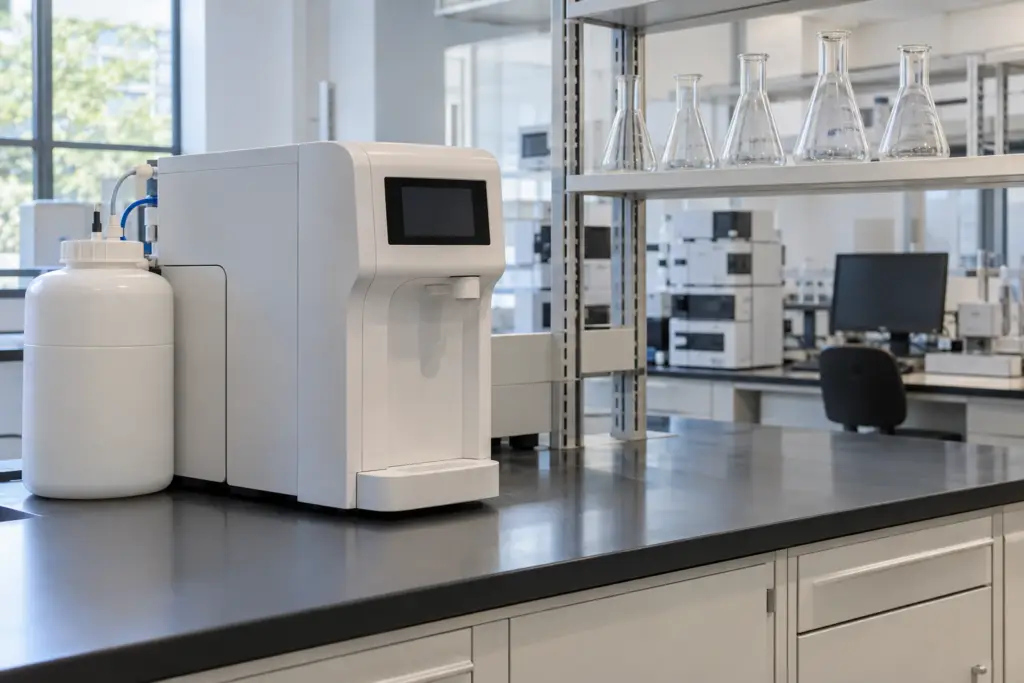
Laboratory methods and instruments define their own water requirements. Departmental technical teams should establish purity, monitoring and acceptance criteria for any dedicated system.
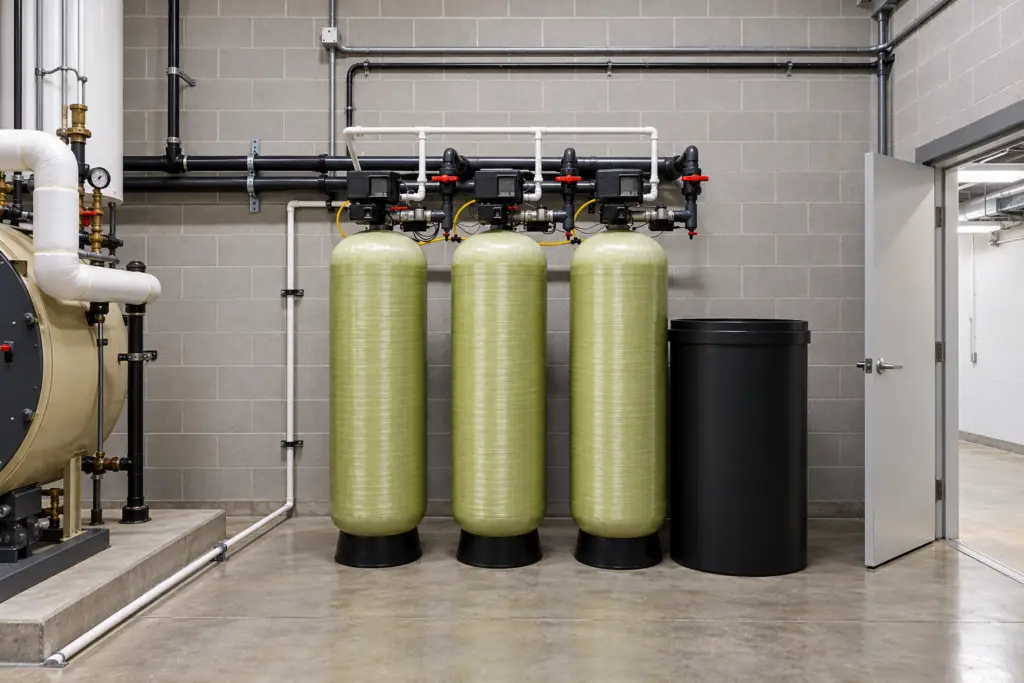
Boiler and cooling makeup must fit their operating chemistry and demand. Review the effect of campus expansion on treatment capacity, service continuity and the utility-water program.
Ideal Water Solutions can help campus facilities compare shared treatment opportunities with departmental exceptions. Clear system boundaries support procurement and prevent a general building specification from overriding a specialized requirement.
Characterize campus supplies and agreed downstream locations, with specialized analytical requirements defined by the affected department.
Consider shared hardness control for compatible residential, dining or utility loads after their combined flow and specifications are established.
Evaluate dedicated purification where research or other departmental equipment requires a specified supply and verification program.
Coordinate capital projects, campus distribution changes and departmental approvals before modifying treatment serving several buildings.
Share utility maps, source results, planned projects and the departments affected. Identify specification owners and year-round operations so the assessment can separate common requirements from services that need individual design.
PLAN CAMPUS WATER ANALYSISDescribe the project or recurring concern and identify the campus facilities lead coordinating departmental requirements.
Should every laboratory receive the highest available purity?
No. Use the approved method and instrument requirements to define each supply. Producing and distributing unnecessary purity can add cost and maintenance without meeting an identified need.
Can a summer shutdown be assumed to affect few users?
No. Research, dining, conferences and some residences may remain active. Confirm actual users and required continuity before choosing a campus work window.
Who should approve a change to a shared treatment system?
The responsible campus team should involve owners of affected equipment and departmental specifications. Identify those dependencies before procurement, along with the required acceptance process.
What should campus facilities review when a research laboratory closes or changes use?
Identify dedicated purification equipment and any shared distribution serving other departments. Record which connections will remain active, who assumes maintenance and what the new use requires. Coordinate changes through campus procedures so closing one laboratory does not leave shared equipment or unused branches without an owner.
How should a new research building be added to the utility plan?
Obtain its projected loads and specialized water requirements early. Assess central capacity and distribution, then determine which supplies belong within the building rather than the shared utility system.
