
Evaluate incoming-water treatment as part of the refinery’s established utility and process-water programs.
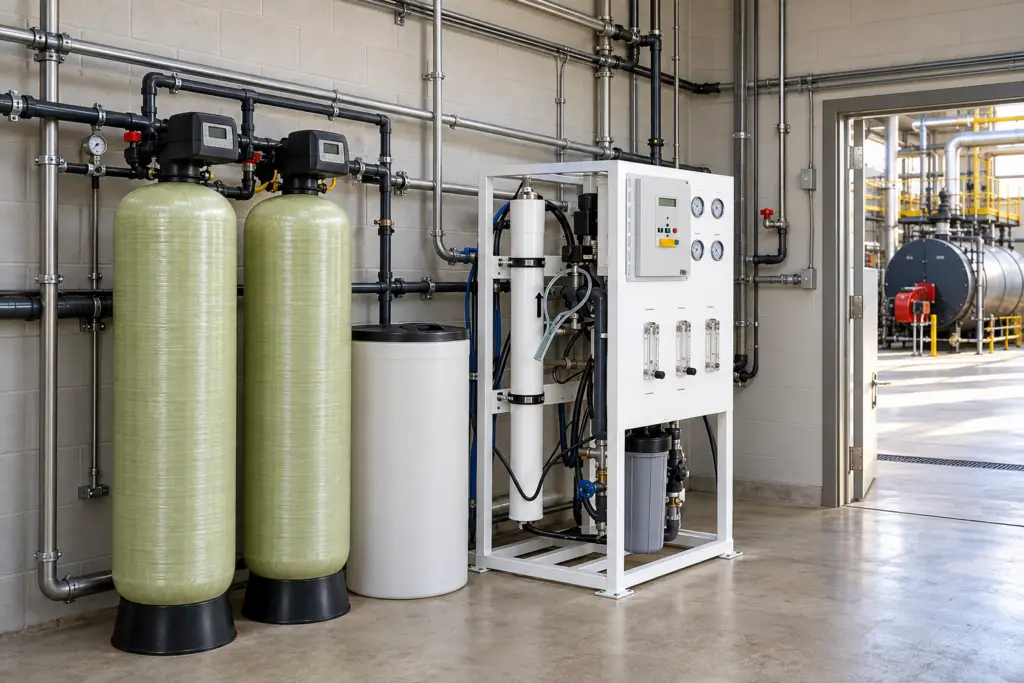
Use the boiler pressure and feedwater specification to define pretreatment requirements. Include condensate return and the established boiler-water program when assessing the makeup stream.
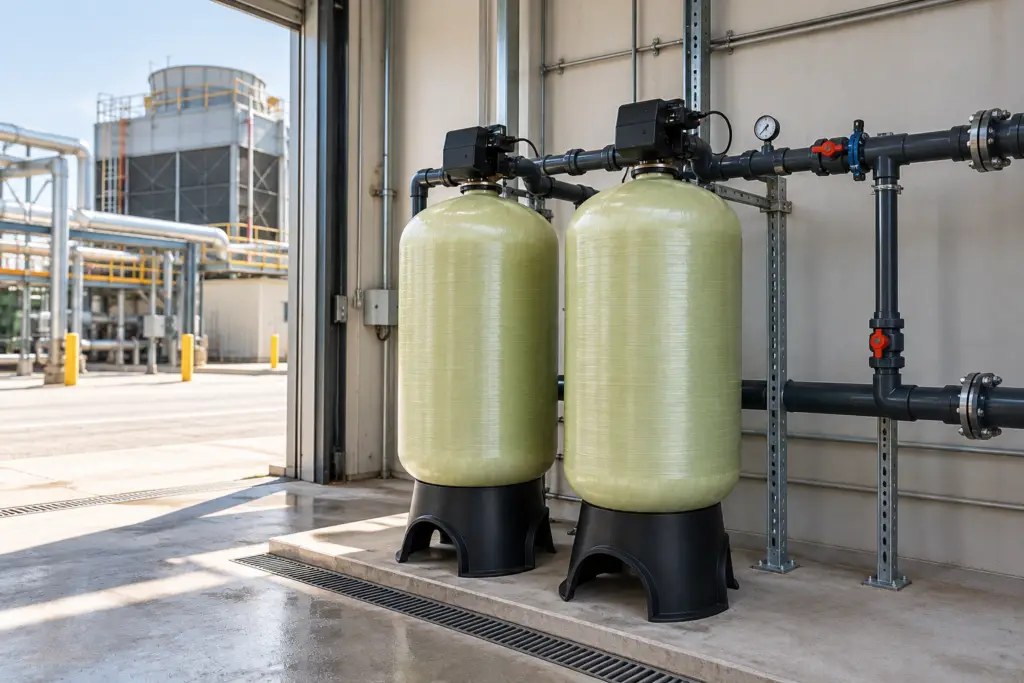
Evaluate source chemistry with the cooling program’s operating limits and concentration controls. Suspended matter and dissolved constituents may require different treatment responses.
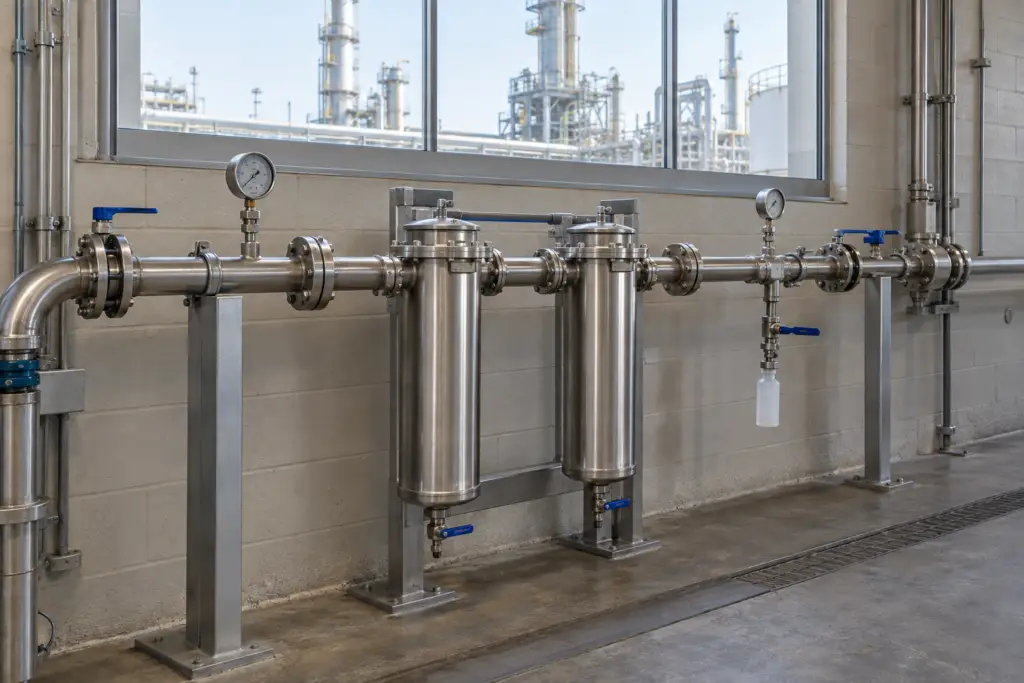
Identify the specific service, materials and acceptable water profile. A utility-water improvement should not be extended to a process connection without confirming that connection’s requirements.
Ideal Water Solutions can assess a specified water-treatment duty with refinery engineering. Equipment selection and installation should follow the site’s technical review and management-of-change procedures.
Consider source or makeup filtration for characterized particulate loads, with service flow, backwash demand and downstream equipment limits defined.
Evaluate hardness reduction where required by the utility specification, including peak makeup load and treatment availability during regeneration.
RO may suit a defined dissolved-mineral reduction duty. Assess feed variability, pretreatment and concentrate handling within the refinery water balance.
Coordinate tie-ins, approved materials, continuity and turnaround timing with the site’s engineering and operating teams.
Share source analyses, required feed limits, normal and peak makeup demand and existing treatment diagrams. Include relevant chemistry-program information, project boundaries and site review requirements to establish a workable pretreatment scope.
DISCUSS FEED-WATER CHARACTERIZATIONDescribe the boiler, cooling or process feed and provide the engineering contact responsible for its water specification.
Can hardness removal alone resolve a cooling-system corrosion concern?
Do not assume it will. Corrosion evaluation must consider the complete chemistry, materials and operating program. Review the concern with the responsible utility and treatment specialists.
Can boiler makeup specifications be copied between units?
Only after confirming their operating requirements. Pressure, equipment design and the feedwater program can differ, so each unit needs an established design basis.
How should a source switch be assessed?
Compare representative chemistry and variability against the pretreatment and downstream limits. Route required changes through the refinery’s engineering and operating procedures before introducing the new supply.
Should pretreatment tie-ins wait for a turnaround?
The site team should determine the approved work window from isolation, continuity and project requirements. Include commissioning and acceptance activities when evaluating the schedule.
What belongs in the water balance for membrane pretreatment?
Include feed, product, concentrate and maintenance streams along with downstream demand. Confirm available discharge and utility capacity before selecting production and recovery targets.
What treatment information belongs in the refinery’s management-of-change review?
Provide the proposed chemistry and capacity changes, affected connections, operating limits, controls and monitoring requirements. Include revised service procedures and verification arrangements. The site’s responsible engineering and operations teams determine the review and authorization required before the changed stream enters service.
