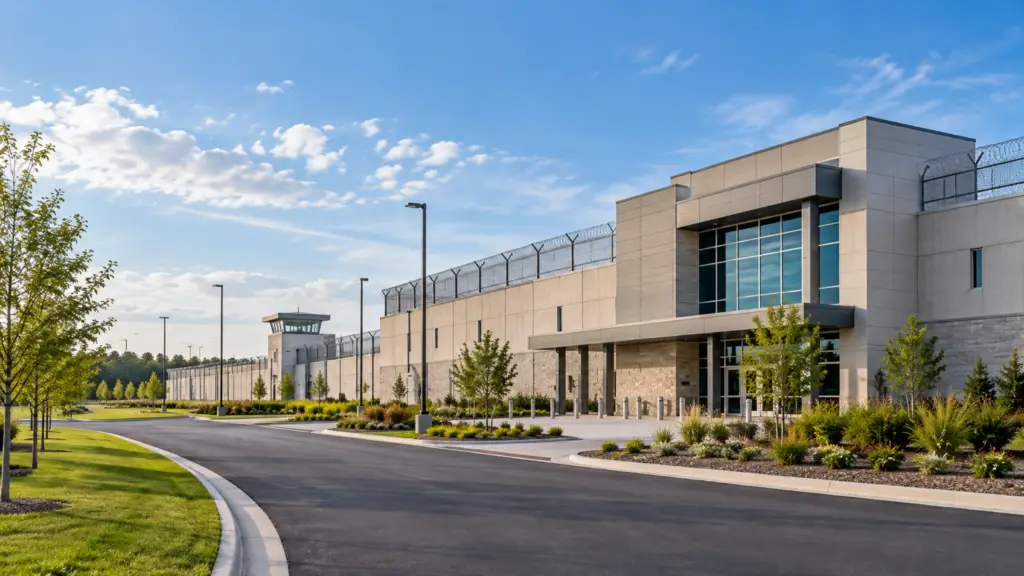
Design treatment and routine service around the operating schedules and access requirements of a secure institution.
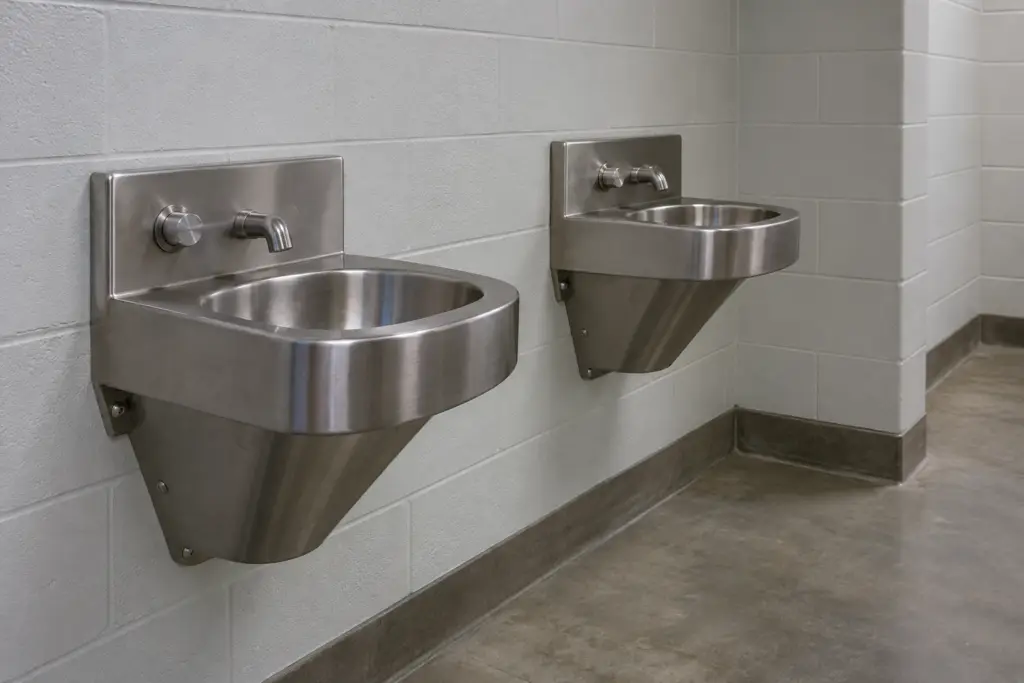
Map recurring deposits or flow problems by served area. Compare fixture condition, pressure and measured hardness before assigning a common treatment solution.
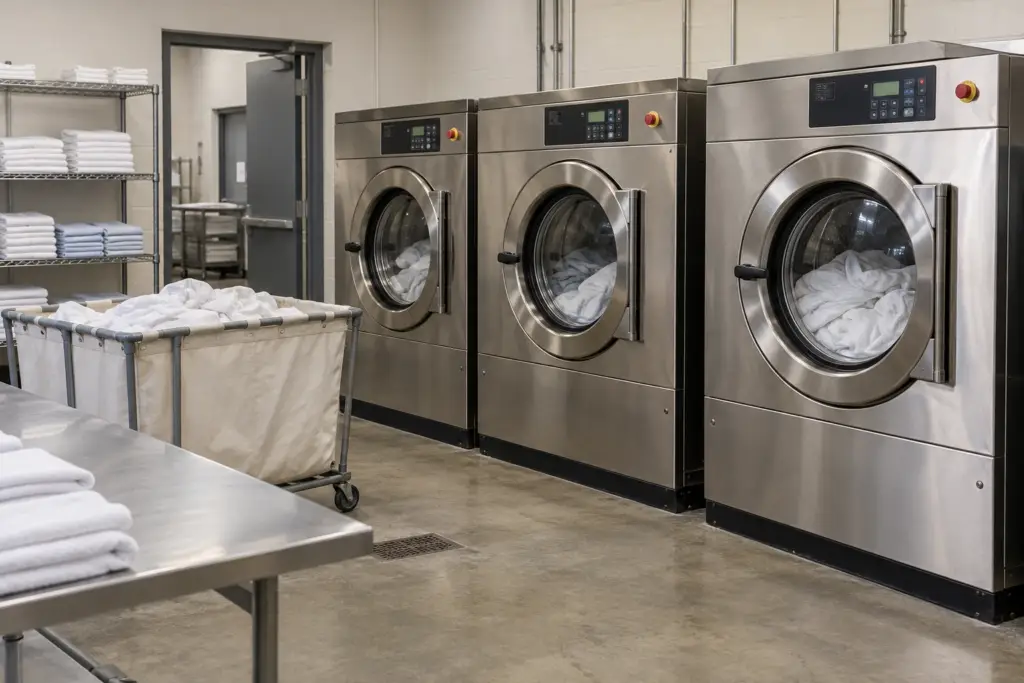
Large washer fills and foodservice equipment may overlap. Confirm chemical and machine requirements, daily production and the flow needed during concentrated operating periods.
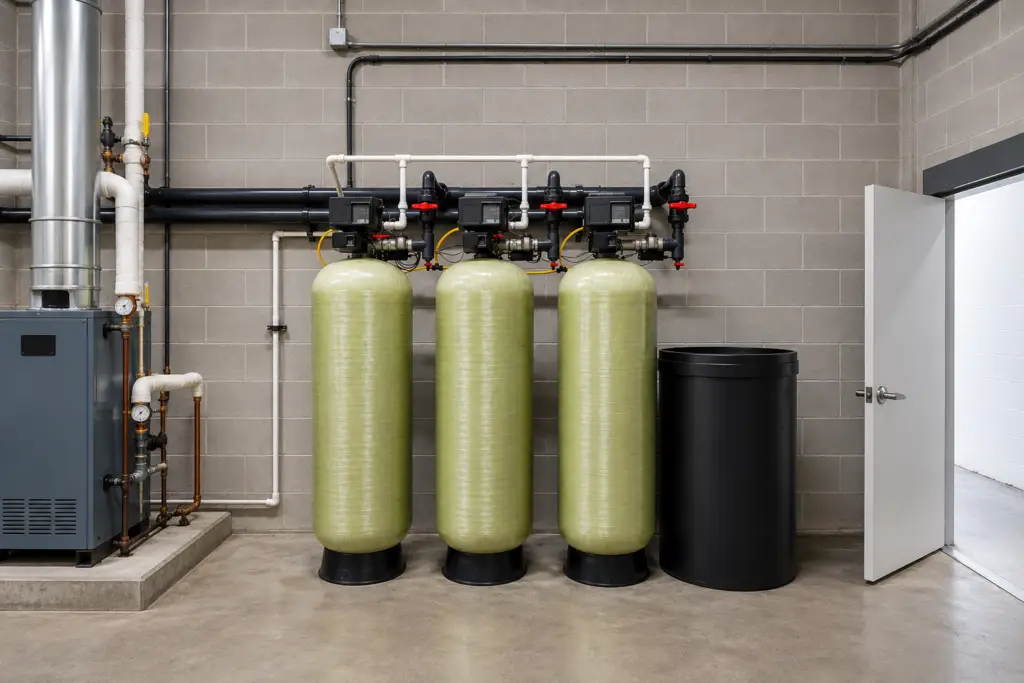
Boilers, heaters and cooling equipment have separate feed requirements. Coordinate any pretreatment changes with their existing water programs and the institution’s continuity arrangements.
Ideal Water Solutions can assess treatment scope with facilities and authorized site coordinators. The recommendation should include the routine access and consumables needed to sustain the selected system.
Where hardness affects institutional laundry or specified utility feeds, evaluate capacity through scheduled production and regeneration cycles.
Address a measured source or equipment-feed concern with media and maintenance requirements suited to available site resources.
For required softening, align inventory, storage and replenishment with approved deliveries and material-handling arrangements.
Coordinate service authorization, work windows and continuity for affected housing and support functions before installation or major repair.
Provide water results, equipment details, laundry and meal schedules and existing treatment history. The authorized site team can identify access, delivery and work-window requirements through the institution’s normal coordination process.
REVIEW SOURCE-WATER CONDITIONSDescribe the treatment or equipment concern and provide an authorized facilities contact for coordinating the assessment.
Should treatment capacity be based only on population?
No. Include laundry production, kitchen equipment, housing schedules and utility makeup. The timing of institutional services can create peaks that population alone does not describe.
How do delivery restrictions affect softener selection?
They influence practical salt storage and replenishment planning. Evaluate regeneration demand with the approved delivery schedule so routine operation does not depend on unplanned access.
Can maintenance occur between scheduled laundry shifts?
Possibly, if the window allows the full work and restoration process and other served uses remain accommodated. Confirm the isolation boundary and approved operating arrangements first.
Is automated regeneration enough to remove staff oversight?
No. Staff still need defined checks, consumable responsibilities and response procedures. Controls should be selected and documented for the institution’s operating team.
What should procurement compare beyond equipment cost?
Include service access, consumables, required operator tasks, capacity during regeneration and the institution’s continuity requirements. Compare proposals against the same documented treatment scope.
Which treatment spares and consumables should a secure institution hold on site?
Build the stock list from installed equipment, manufacturer service requirements, lead times and approved storage arrangements. Prioritize items whose absence could prolong an interruption when outside access is delayed. Assign inventory checks and replenishment responsibility rather than relying on an unverified emergency delivery assumption.
