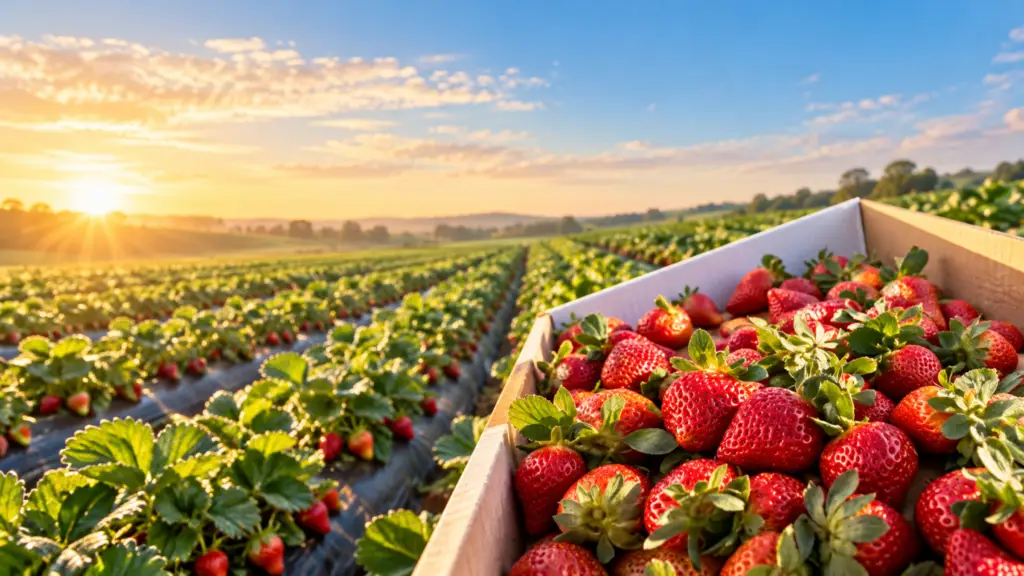
Assign the farm’s available water sources to the work each one needs to do through the growing season.
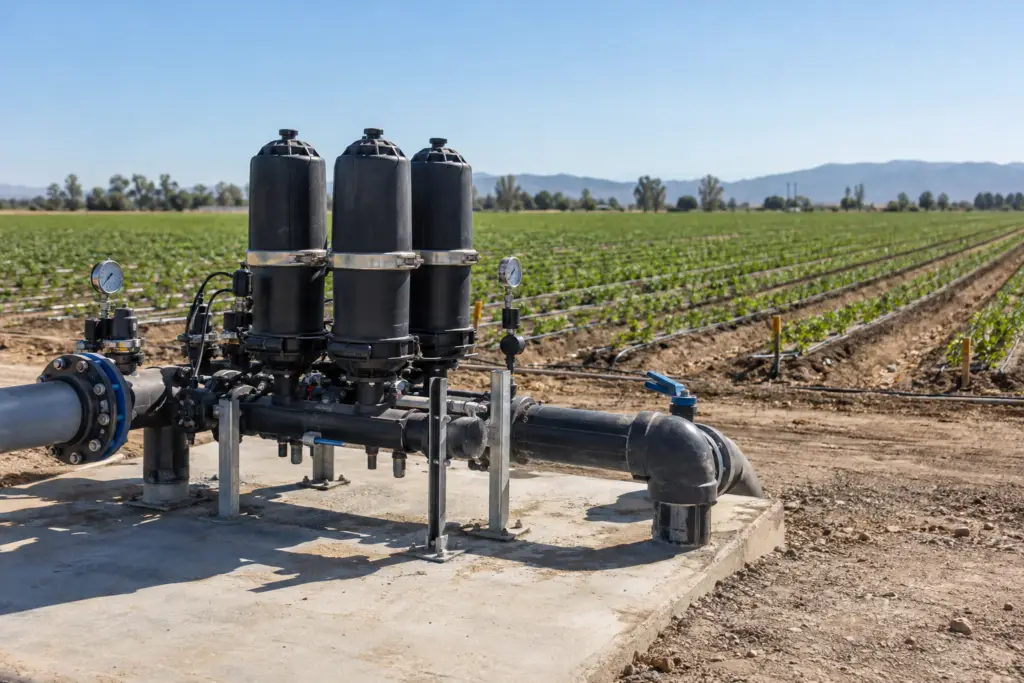
Evaluate particles and dissolved constituents against emitter, crop and soil needs. Filtration for emitter protection does not by itself address every irrigation-water chemistry concern.
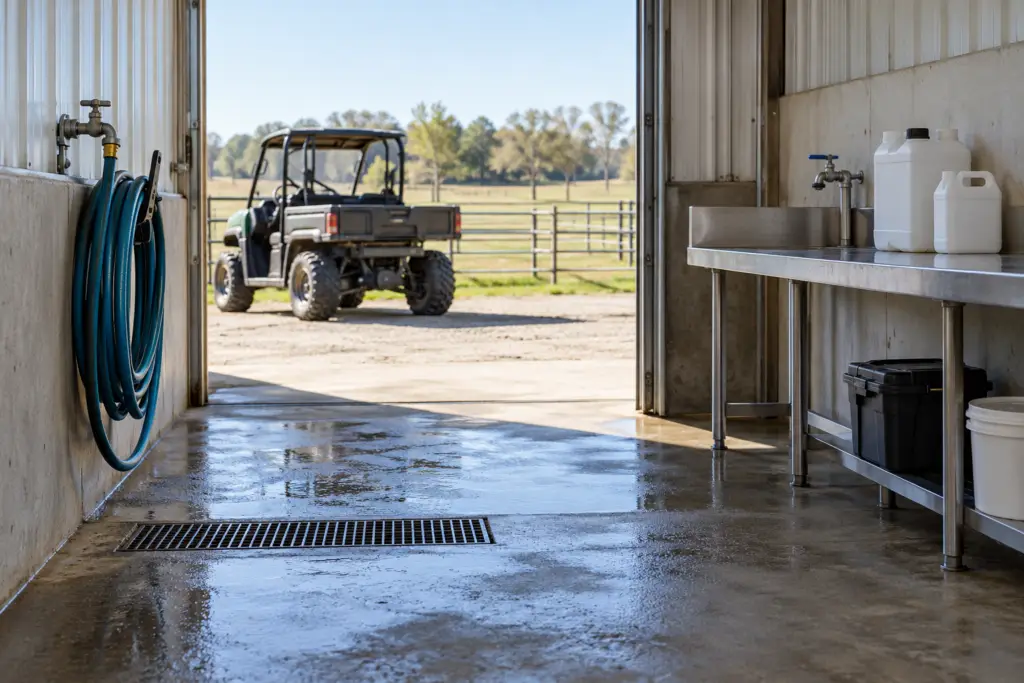
Check product-label and equipment requirements for mixing water. Separate those demands from general washdown so high-volume cleaning does not dictate treatment for a smaller specified stream.
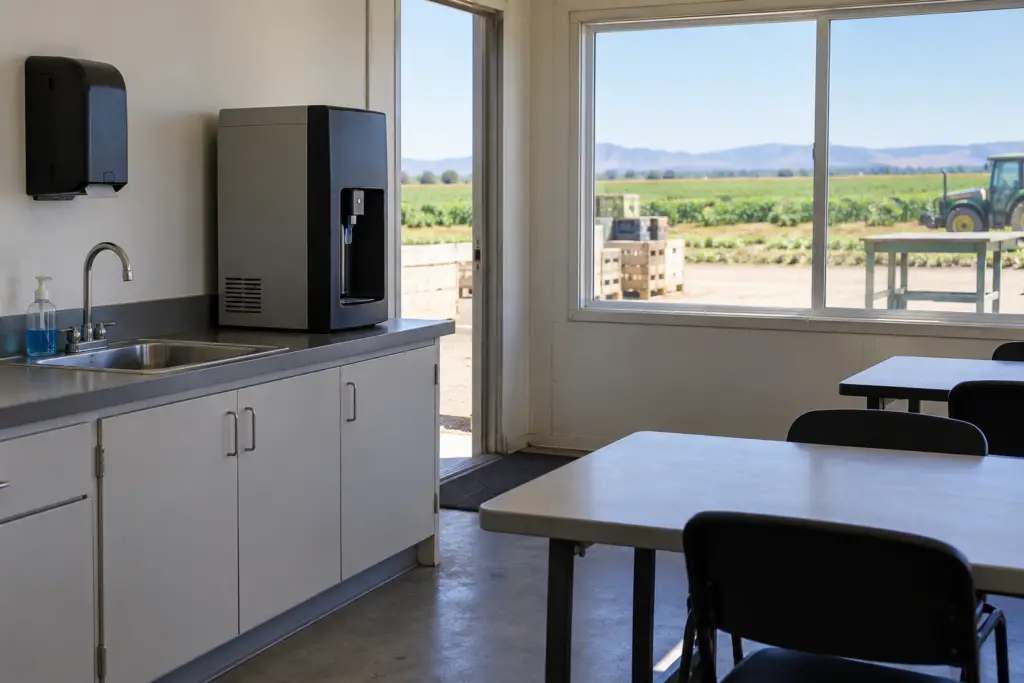
Identify produce-contact and drinking-water supplies as distinct applications. Their acceptance and verification requirements should be established before treatment is selected.
Ideal Water Solutions can help characterize source conditions and compare practical treatment options. Include seasonal capacity, available drainage and the people responsible for operating equipment in the field.
Select analyses relevant to each intended use and source, with crop, produce or drinking-water requirements established by the responsible qualified program.
Match particle filtration to measured loading, emitter specifications and service flow, including the water needed for cleaning or backwashing.
Consider hardness control for selected heaters or washing equipment where justified. Assess crop and soil suitability separately before routing softened water to irrigation.
Compare source availability, seasonal loads and separate branch requirements before expanding irrigation or adding a handling facility.
Share source analyses, crop and equipment requirements, irrigation schedules and any planned handling uses. Identify the busiest period and available power or drains so the assessment reflects real field conditions.
PLAN SOURCE-SPECIFIC WATER TESTINGIdentify the source, affected irrigation or equipment system and the season when the concern is most pronounced.
Can a sediment filter correct high dissolved salts in irrigation water?
No. Particle removal and dissolved-mineral control are different treatment duties. Review salinity and other relevant chemistry with the crop and soil specialist before selecting a response.
Should we sample a well only before the growing season?
Use a sampling plan appropriate to the source and application. Recheck when source conditions or operating observations change, and follow any required testing program for the intended use.
Can irrigation water also be used for produce washing?
Do not assume it is suitable. Establish the applicable produce-handling water requirements and verification process separately, including any needed treatment and operational controls.
Why might one irrigation zone clog more than another?
Compare pressure, emitter condition and water at the affected branch. Source particles, local accumulation and chemical deposits can require different responses.
Can mixing-water requirements differ between farm products?
Yes. Follow the relevant product labels and technical guidance. A water supply suitable for one mixing task may not have the required characteristics for another.
What changes when irrigation switches from a well to pond or surface water?
Assess the new source’s particles, relevant dissolved constituents and seasonal variability against crop, soil and emitter needs. Storage and biological material may also affect the filtration duty. Recheck capacity and cleaning requirements rather than assuming equipment selected for the well will suit the new source.
How should filter backwashing be included in a limited farm water supply?
Include the manufacturer’s required backwash flow, pressure, duration and frequency in the supply and storage assessment. Check whether cleaning will coincide with irrigation demand and where the discharge can go. A filter that works during normal flow may still need more cleaning capacity than the source can provide.
