
Give each school a clear plan for drinking outlets, kitchen equipment and water-system upkeep through the school year.
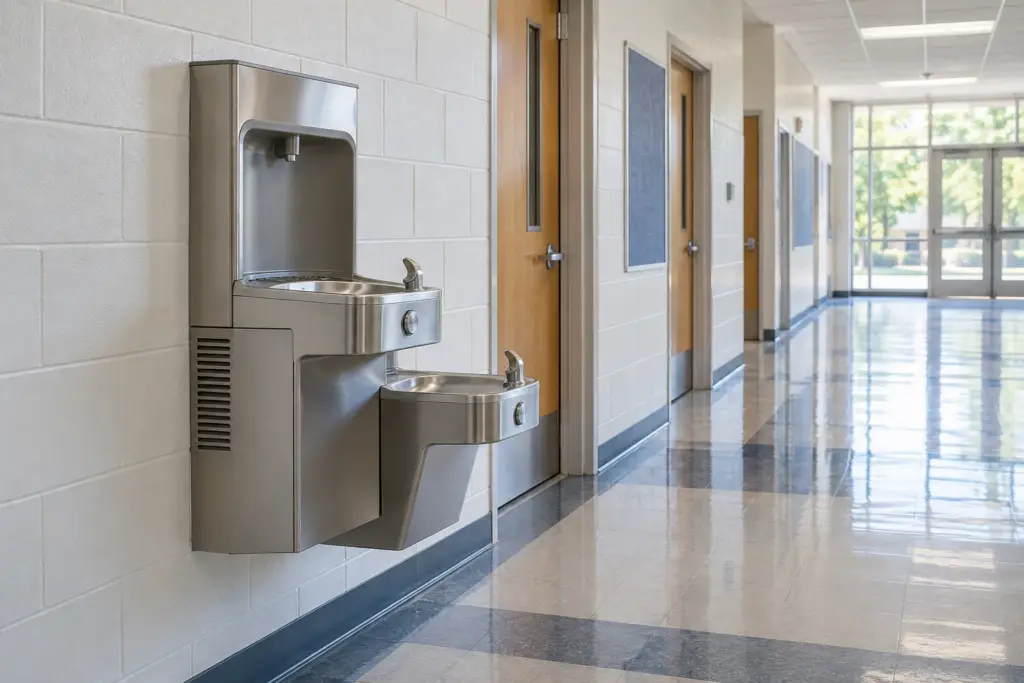
Record outlet locations, test results and installed filter details. Any contaminant-specific response should follow the district’s requirements, with appropriate product selection, maintenance and verification.
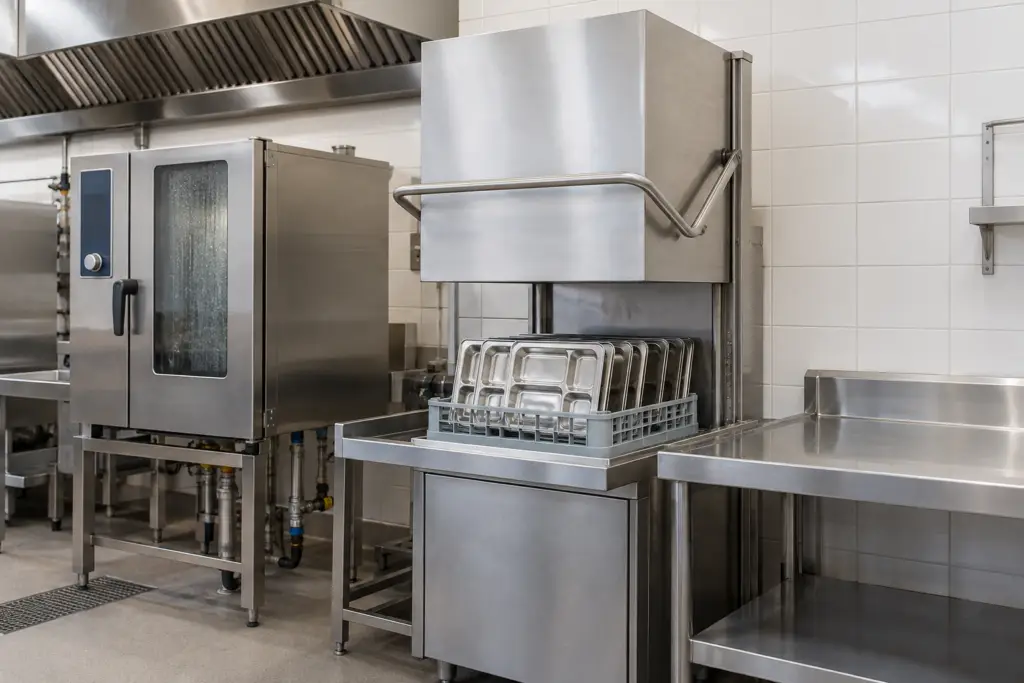
Dishwashers, steamers and ice machines have individual inlet limits. Review source chemistry and short meal-period peaks with nutrition-service staff before choosing shared treatment.
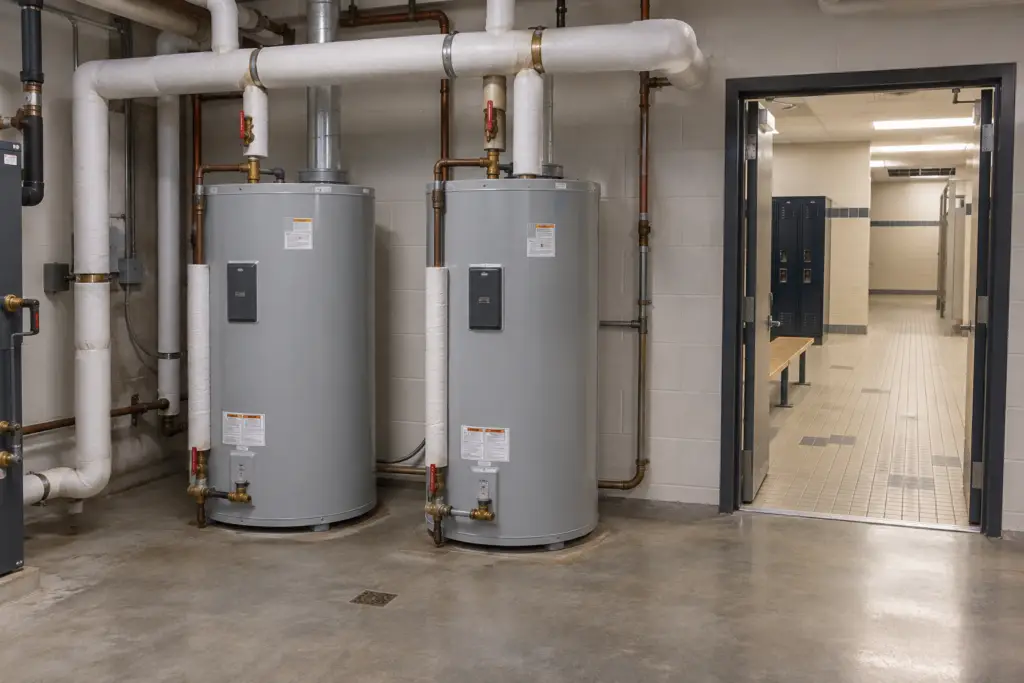
Gym showers and building hot water may have different schedules from classrooms. Investigate deposits and capacity separately, including evening sports and community use.
Ideal Water Solutions can help the district assess equipment needs and defined source-water concerns. Coordinate any drinking-water response with the district’s qualified program owners and applicable guidance.
Define the question and sampling scope with the district. General chemistry analysis and required contaminant-specific outlet testing serve different purposes.
Select a filter for the identified condition and required performance, with the relevant certification where applicable and documented replacement responsibility.
Where hardness affects cafeteria or heating equipment, assess targeted treatment using the machine specifications and actual school-day load.
Coordinate district procurement, outlet records and summer work with occupied programs and the school’s reopening procedures.
Share relevant test results, kitchen equipment models, existing filters and the building-use calendar. Identify the district lead for drinking-water decisions so testing, equipment work and communication remain coordinated.
DISCUSS THE SCHOOL TESTING SCOPEDescribe the concern, available results and planned work period. Include the district facilities or water-program contact.
Can a filter selected for taste be assumed to reduce lead?
No. A lead-related response requires appropriate testing, product selection and verification under the district’s applicable requirements. Check the filter’s specific certified reduction claims rather than its general description.
Does an incoming-water report describe every drinking outlet?
Not necessarily. Building plumbing can affect outlet conditions. Use the sampling approach required for the question being investigated and the district’s water-quality program.
Can filters remain unattended throughout summer closure?
Follow their instructions and the district’s closure and reopening procedures. Reduced occupancy does not eliminate maintenance or the need to assess readiness before students return.
Should a district buy the same kitchen treatment for every school?
First compare sources, equipment models and meal production. Common purchasing standards can simplify service, but the treatment function and capacity must suit each installation.
Who should keep the filter replacement records?
Assign a district or school owner before installation. Records should identify the outlet, device, required service and completed work so responsibility remains clear when staff change.
How should filter information be communicated to school families and staff?
Explain the concern being addressed, the affected outlets, relevant testing and who maintains the equipment. Report service and verification information through the district’s communication process. Installing a filter should not be presented as proof that every drinking-water issue at the school has been resolved.
