
Resolve tenant water concerns while keeping mechanical-system requirements in the building engineer’s plan.
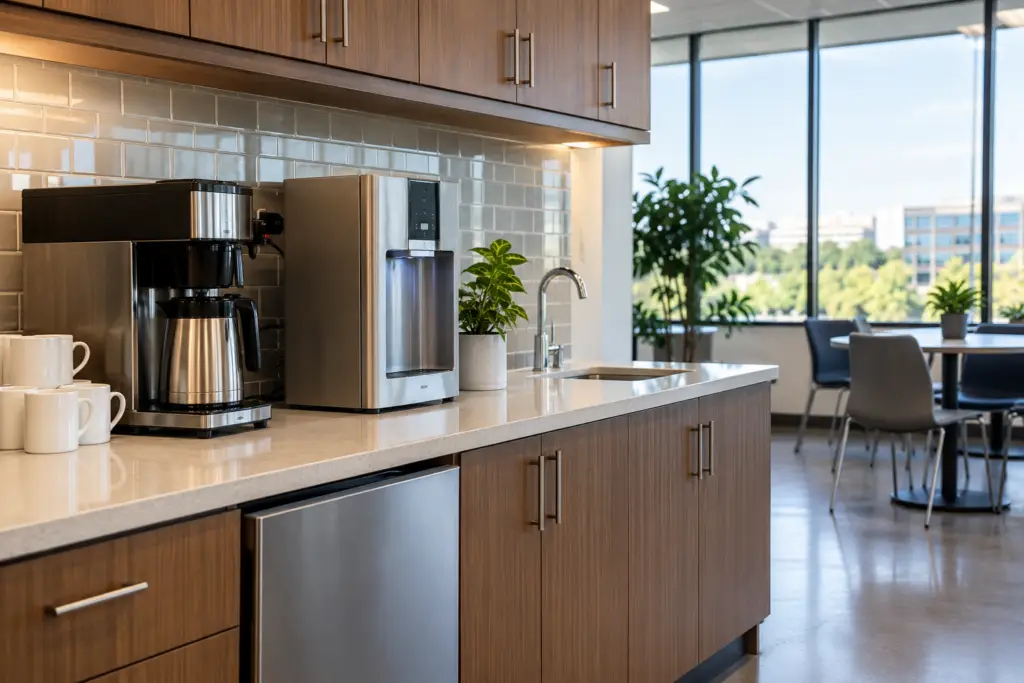
Coffee machines, dispensers and local filters vary by tenant. Check the affected appliance and its supplied water before treating a floor-wide complaint as a central-system problem.
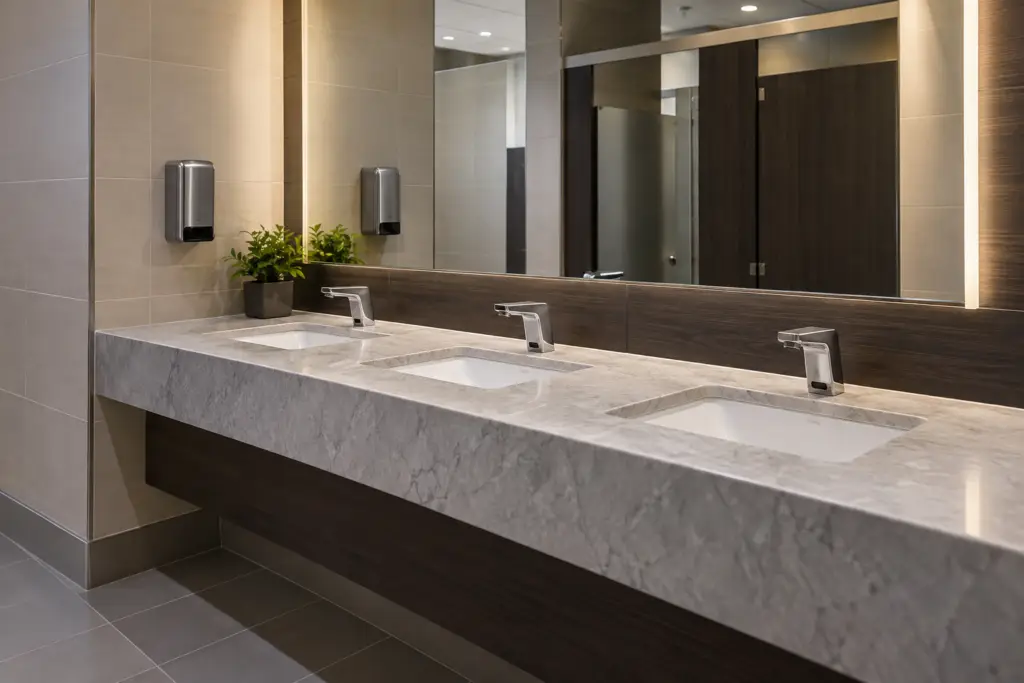
Map recurring deposits and restrictions by floor or branch. Distinguish fixture upkeep, pressure and measured hardness so a treatment proposal addresses the documented cause.
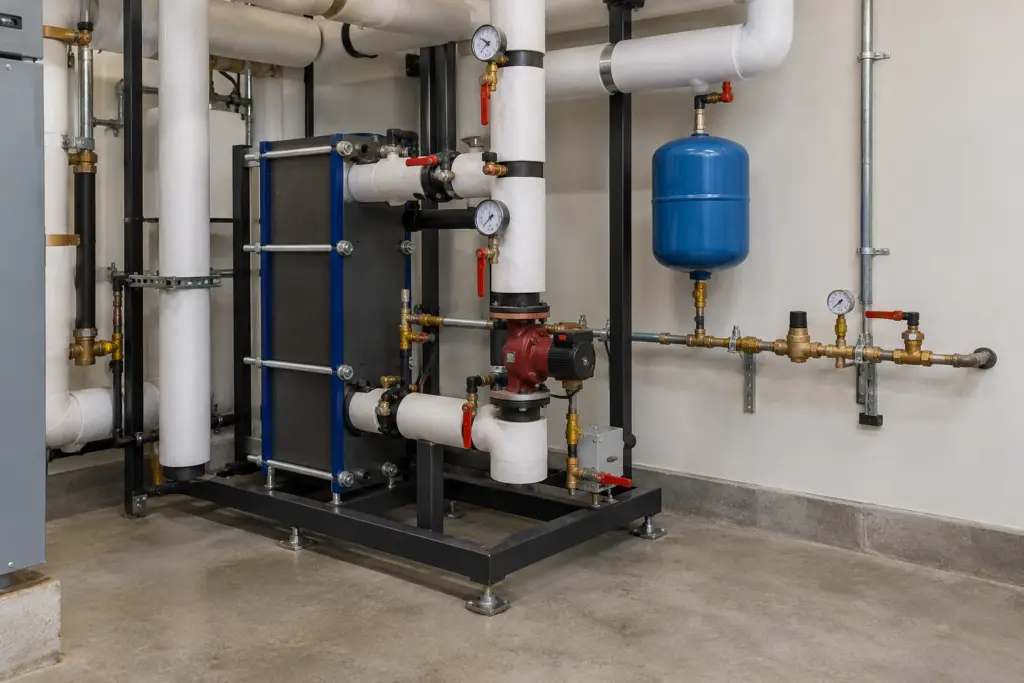
Review heating and cooling equipment separately, including materials and operating chemistry. Makeup treatment supports a defined program and does not replace its monitoring or chemical controls.
Ideal Water Solutions can help the building team compare targeted tenant treatment with central equipment needs. Include service access and the people who will maintain each installation.
For a confirmed breakroom supply concern, select a suitable filter with capacity and replacement access matched to actual occupancy.
Evaluate hardness reduction for specified heaters or mechanical makeup, coordinated with the equipment supplier and existing operating program.
Check restrictions, valves and service condition when installed treatment performs inconsistently across occupied and lightly used periods.
Coordinate tenant devices, lease responsibilities and mechanical-room work before changing a shared building supply.
Share floor occupancy patterns, complaint locations, mechanical specifications and current treatment records. Identify tenant-owned equipment and the building’s water-management procedures so the review reflects actual responsibility and demand.
PLAN BUILDING-WATER ANALYSISDescribe the affected area, operating pattern and equipment involved. Include the property or engineering contact coordinating access.
Does lower office attendance mean mechanical treatment can be downsized?
Not automatically. Cooling and heating loads do not track desk occupancy alone. Review actual equipment makeup demand and operating conditions separately from restroom and breakroom use.
What treatment equipment should be reviewed when a tenant vacates a floor?
Inventory filters, softeners and other devices, identifying the outlets they serve and who owns them. Inspect condition and obtain service records before reuse. Coordinate retained, disconnected or removed equipment with building procedures so the next tenant does not inherit an undocumented treatment arrangement.
Can a cooling-water filter supply drinking-water stations?
Do not assume those systems are interchangeable. They serve different requirements and may use different treatment programs. Evaluate potable outlets and mechanical circuits within their respective designs.
How should prolonged vacancy affect the water plan?
Follow the building’s applicable water-management and restart procedures. Include treatment servicing and verification in the reopening plan rather than relying on low usage as evidence of readiness.
What changes when a tenant adds a large café or pantry?
Review the new equipment specifications, peak fills and ownership of treatment. Existing floor supplies may need reassessment even if the total leased area is unchanged.
