
Water Treatment for Distilleries
Control the water added to your product and understand the utility water that supports each distillation run.
Should proofing water be treated differently from other distillery water?
ASSESS YOUR DISTILLERY WATERFollow water before, during and after distillation
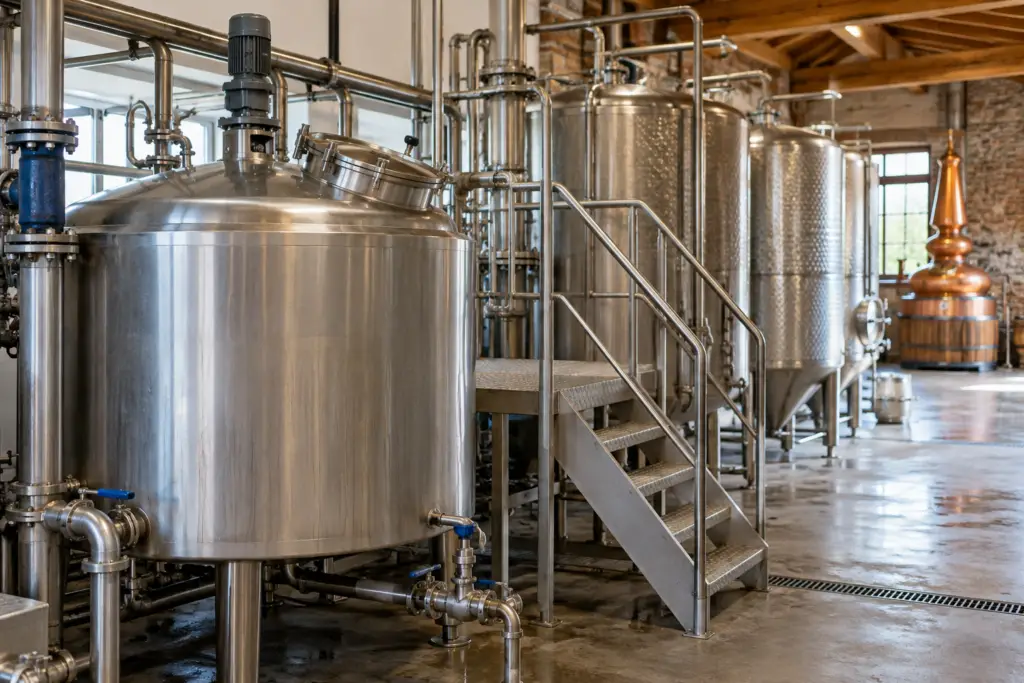
Mash preparation
Assess source minerals against the process recipe and fermentation requirements. Record water conditions with production data so a supply change is visible when investigating batch variation.
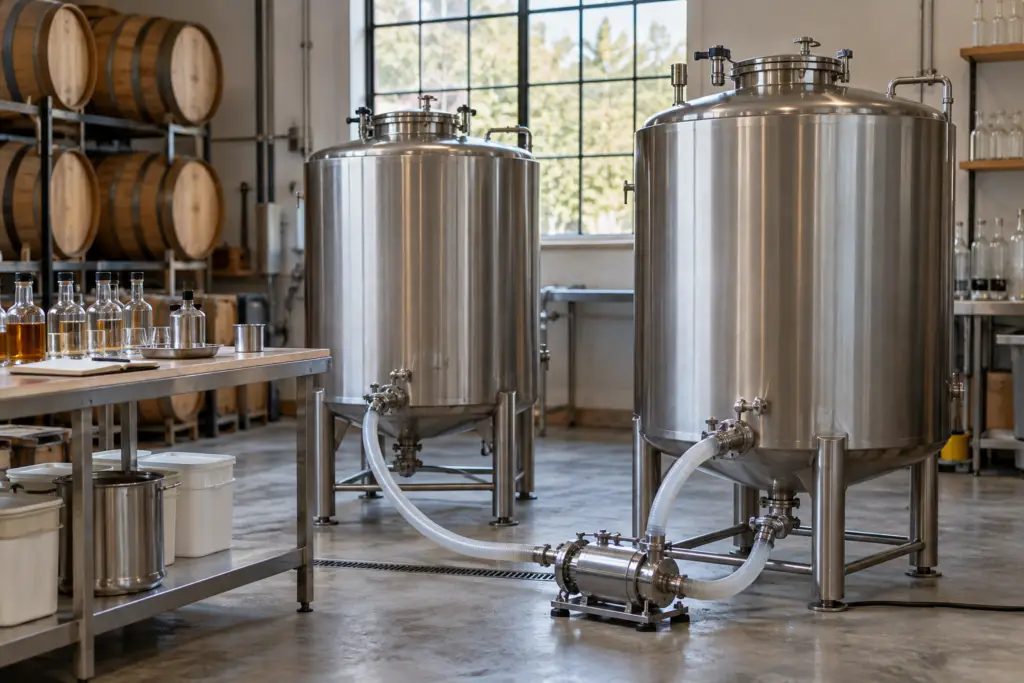
Proofing & blending
Define the mineral and other quality limits for water added to finished spirit. Evaluate treated water with representative product trials, including storage and transfer conditions before bottling.
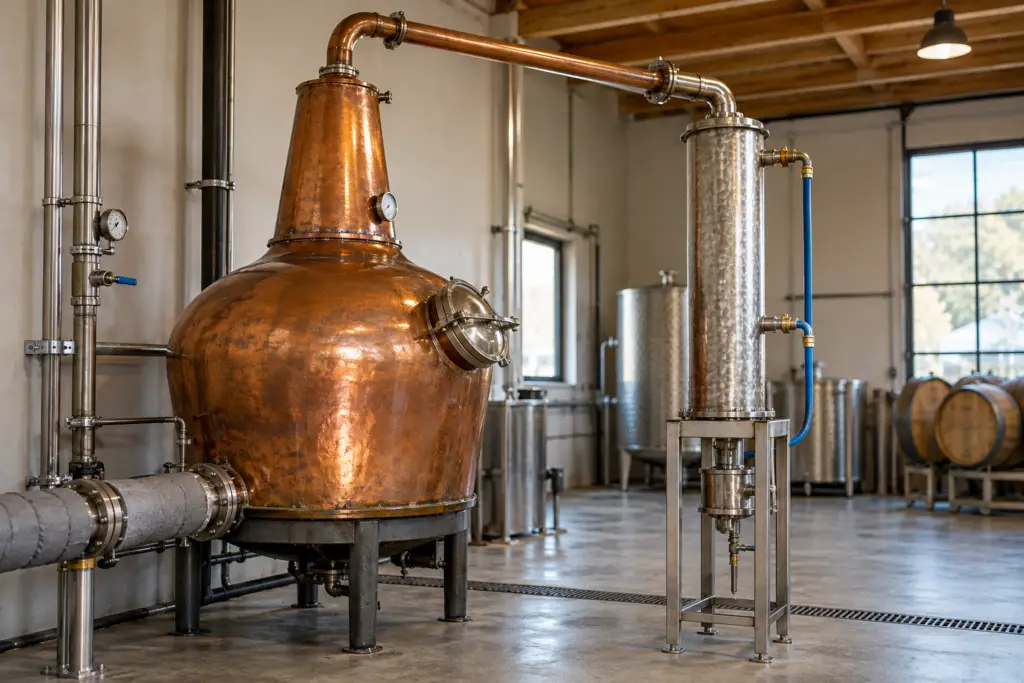
Steam & cooling
Still operation can impose sustained heating and cooling loads. Review boiler feed and cooling-system chemistry separately, including makeup demand, operating temperatures and the existing utility-water program.
Specify product and utility water independently
Ideal Water Solutions can help turn those separate requirements into a treatment layout. Proofing demand may favor controlled storage, while utility loads may require sustained flow and service continuity.
Reverse osmosis
RO may suit proofing water when a lower dissolved-mineral specification is established. Include pretreatment, storage, verification and the quality team’s acceptance criteria.
Filtration
Address measured particles or disinfectant concerns on the appropriate process feed, with media selected for that duty and the required production flow.
Water softening
Where boiler or other utility specifications call for hardness reduction, plan softening as part of the utility program rather than as finished-product treatment.
Consulting & planning
Align water production, proofing batches and still operating hours to assess storage, redundancy and capacity for expansion.
Define acceptance before selecting equipment
Bring the proofing-water specification, product trial concerns, batch volumes and utility requirements. A source analysis and process diagram help locate sampling points and establish who will approve treatment performance before production use.
DISCUSS WATER ANALYSISTell us which distillery stream needs attention
Identify whether the concern involves mash preparation, proofing, steam or cooling. Include batch volumes and available water specifications.
Questions about distillery water streams
Will RO guarantee a clear finished spirit?
No. Finished-product appearance can have several causes. Evaluate proofing-water chemistry alongside the product and process through controlled trials before attributing haze to water or promising a treatment result.
Can proofing water be made ahead of a bottling run?
It can be planned that way if storage and distribution meet the distillery’s quality requirements. Include tank turnover, cleaning, transfer materials and verification at the point of use.
Can softened boiler water also supply proofing?
Do not assume it is suitable. A utility softener does not establish the full chemistry or quality needed for finished-product water. Compare that supply with the proofing specification and product trials.
Does cooling water need the same purity as proofing water?
Usually it has a different specification. The cooling design, materials and operating program determine the required chemistry. Treating it to a product-water target without justification can add unnecessary operating burden.
What changes when production adds a second still?
Recalculate simultaneous heating, cooling and makeup loads as well as proofing demand. Treatment, storage, supply pressure and drains may all need review before assuming existing capacity can absorb the addition.
Where should proofing water be sampled after storage and transfer?
Include the point where water enters proofing or blending in the distillery’s approved sampling plan. A purifier-outlet result does not describe subsequent tanks, hoses or transfer lines. Paired upstream and delivery samples can help locate a change without assuming the purification stage caused it.