
Water Treatment for Restaurants
Give the kitchen, dish room and beverage station the water each needs to work through a busy service.
Can restaurant equipment share one water-treatment system?
PLAN YOUR RESTAURANT WATER ASSESSMENTTrace the issue from the table back to the kitchen
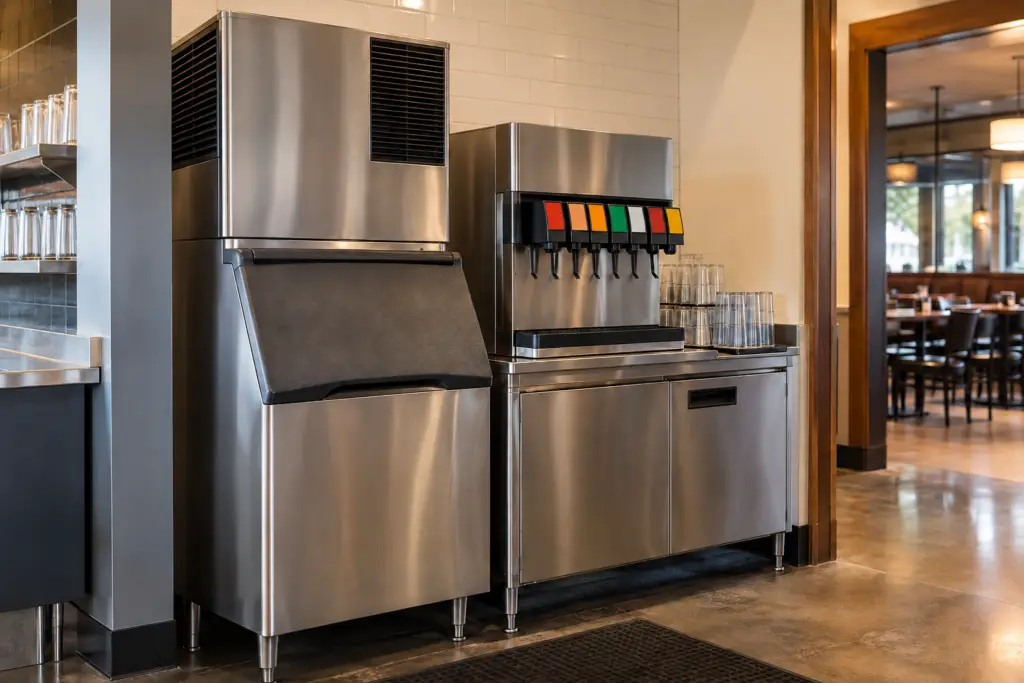
Ice & beverages
Ice and fountain equipment can share demand during a rush. Identify the disinfectant and mineral concerns relevant to each machine, then check filter capacity and pressure at simultaneous draw.
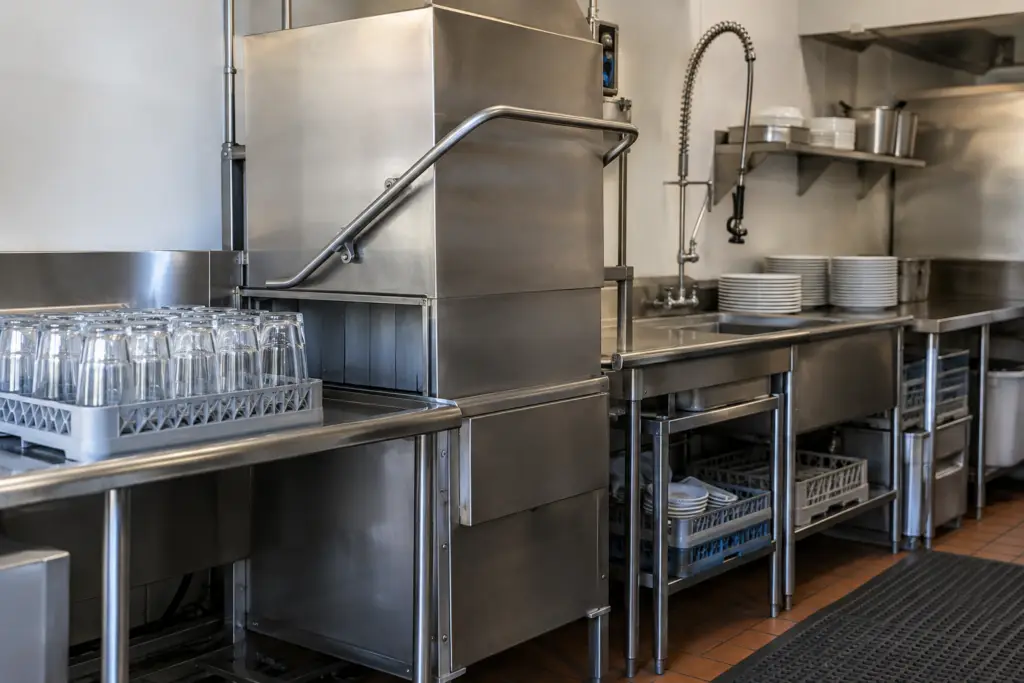
Dishwashing
Spots may involve water chemistry, detergent dosing, rinse settings or machine condition. Review these together so a treatment recommendation addresses the source of repeated rewashing.
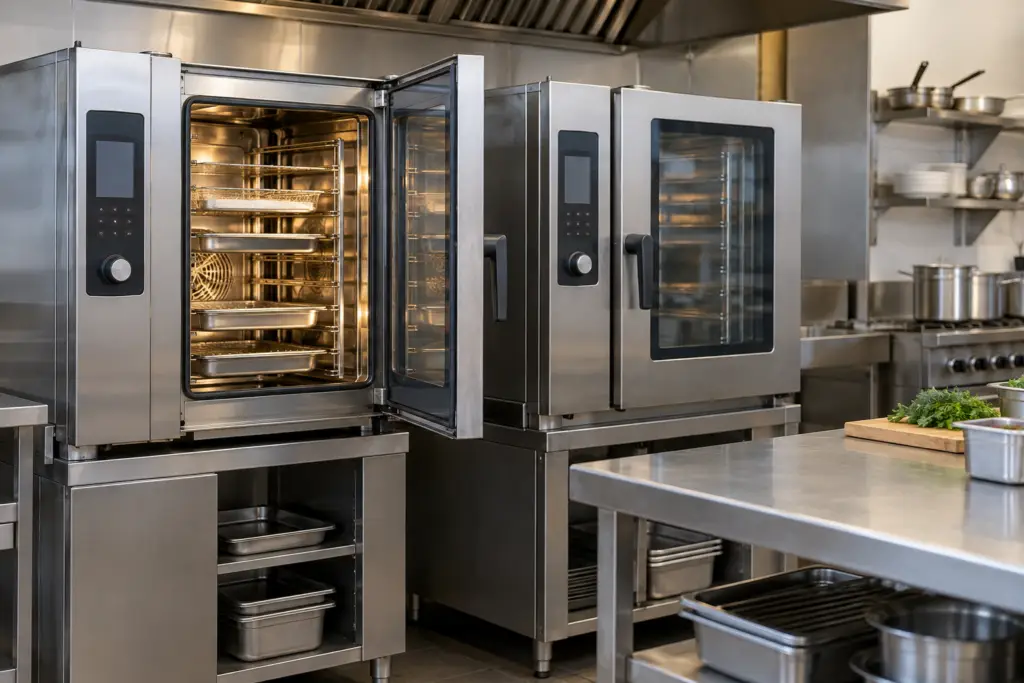
Steam & combi equipment
Cooking equipment can specify more than hardness alone. Compare the full inlet limits with the water report, and retain the manufacturer’s cleaning and descaling procedures after treatment is installed.
Equip each kitchen connection for its job
Ideal Water Solutions can translate the equipment list into a practical treatment layout. Shared systems make sense where specifications agree. Dedicated feeds give tighter control where they differ.
Filtration
Select media for the identified sediment or disinfectant concern at ice and beverage equipment, with enough flow for the service rush.
Water softening
Where hardness is contributing to dish-room or heater deposits, size softening to actual demand and coordinate with the chemical supplier.
Reverse osmosis
Consider RO when a cooking or beverage machine requires lower dissolved minerals. Confirm storage, delivery pressure and any required blending.
Consulting & planning
Coordinate treatment placement with kitchen equipment, drains and service clearances before a remodel or new machine installation.
Use the equipment schedule to define the scope
Provide machine models, inlet specifications, meal-period demand and recent service findings. We can compare these with water chemistry and available utilities, then identify which connections should share treatment and which need separate supplies.
UNDERSTAND YOUR WATER RESULTSDescribe the kitchen issue you want to solve
Tell us which machine is affected, what staff are seeing and when it happens. Equipment model numbers help us prepare for the assessment.
Restaurant equipment questions
Why are glasses still spotted after installing a softener?
Softening does not remove all dissolved minerals. Check treated-water hardness, rinse chemistry, dosing and drying conditions. A service inspection can establish whether the cause is water, settings or equipment condition.
Can a new combi oven use the old ice-machine filter?
Compare both manufacturers’ requirements first. A filter selected for an ice machine may not address the dissolved minerals or other limits specified for the oven.
Does a beverage filter replace machine cleaning?
No. Filters treat a defined part of the supply water. Ice machines, beverage lines and dispensers still require the cleaning and sanitation procedures specified for the equipment.
Why does pressure fall when the dishwasher fills?
The dishwasher may be competing with other equipment for flow. Check supply pressure, pipe sizing and filter restriction under that load before assuming a larger treatment system will solve it.
When should treatment be reviewed during a kitchen renovation?
Before equipment connections and cabinetry are finalized. Changes in machine type, seating or menu can alter both water requirements and peak demand, while service access is easier to provide during layout planning.
Should filter replacement follow a calendar, water volume or measured performance?
Use the cartridge and equipment manufacturers’ service criteria, including any maximum time or volume limit. Record installation dates and usage where measured. Pressure loss or a quality change may require earlier investigation; normal taste and flow do not prove a cartridge is still effective.