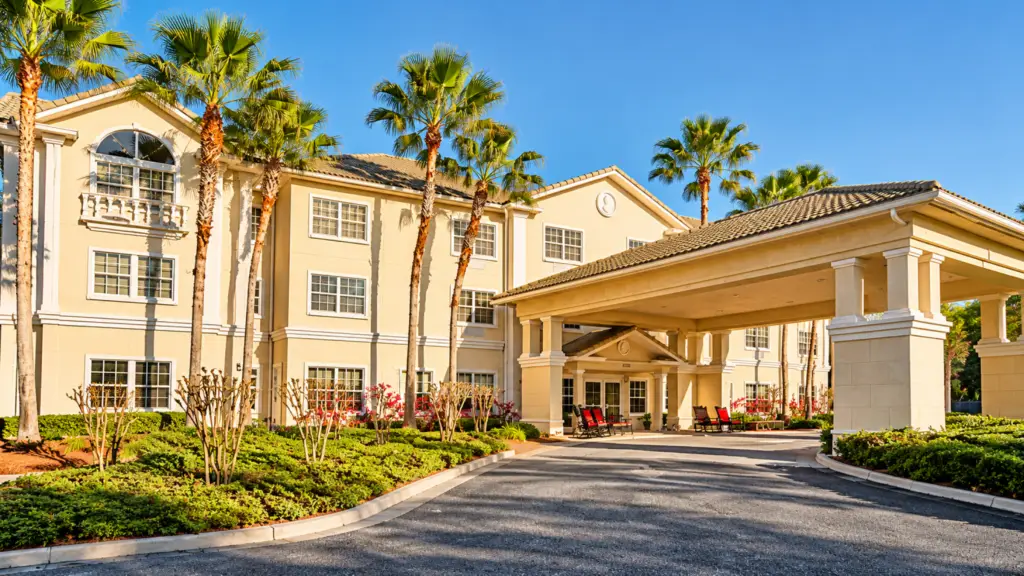
Address water concerns in residents’ homes while keeping treatment manageable for the staff who support them.
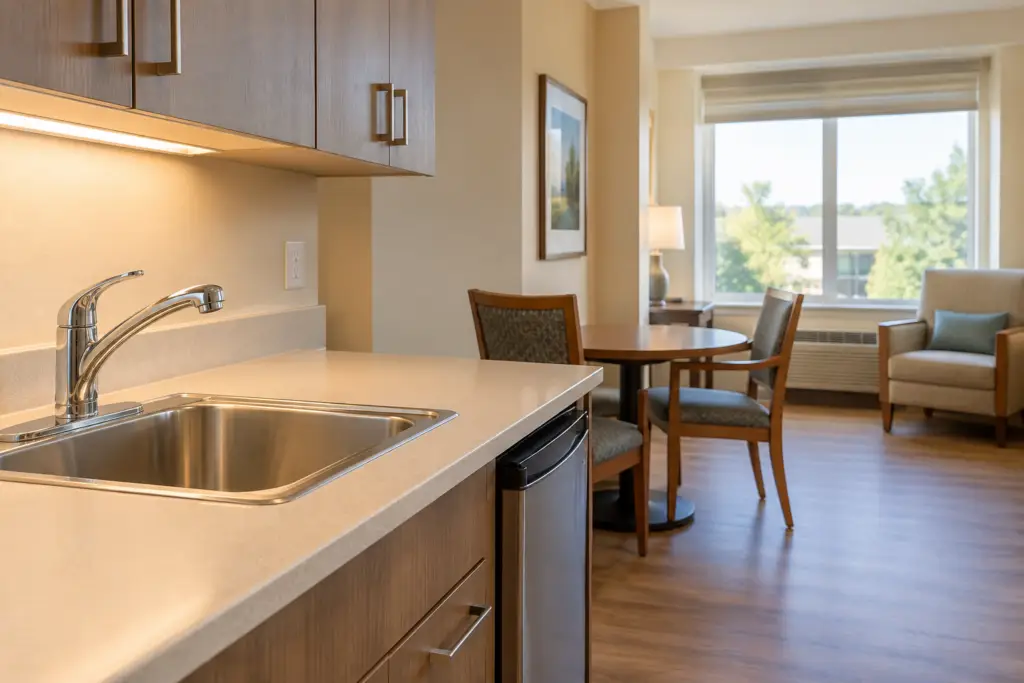
Track which apartments report deposits or changes in taste or flow. A cluster on one branch may require a different investigation from a concern across the property.
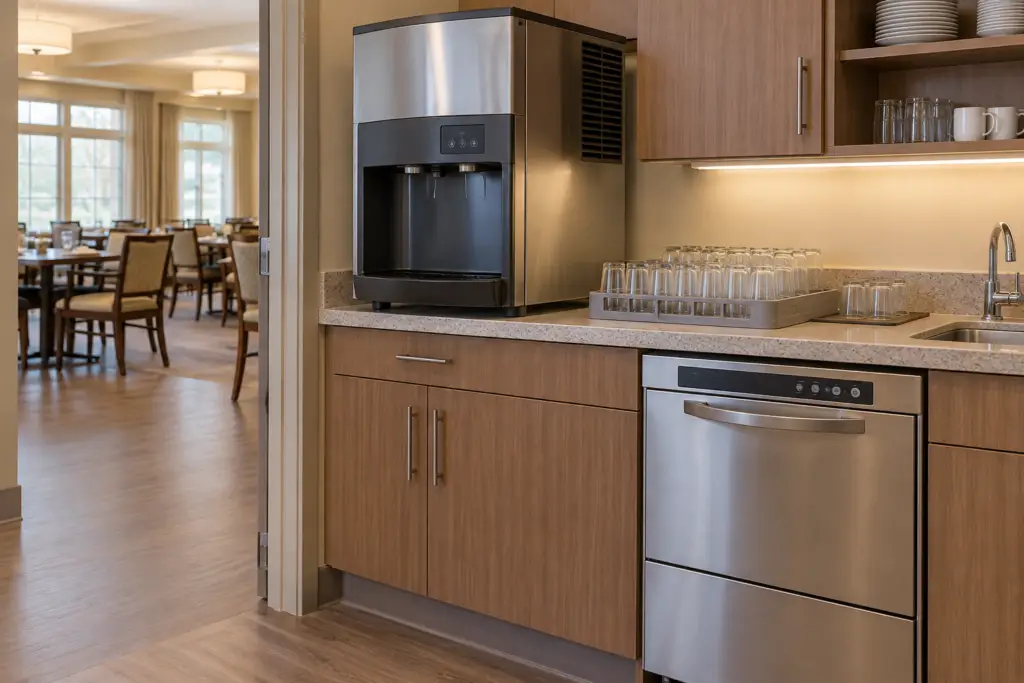
Ice, beverage and dishwashing equipment may need different water qualities. Check each machine’s instructions and the meal-service peak before grouping feeds under one treatment system.
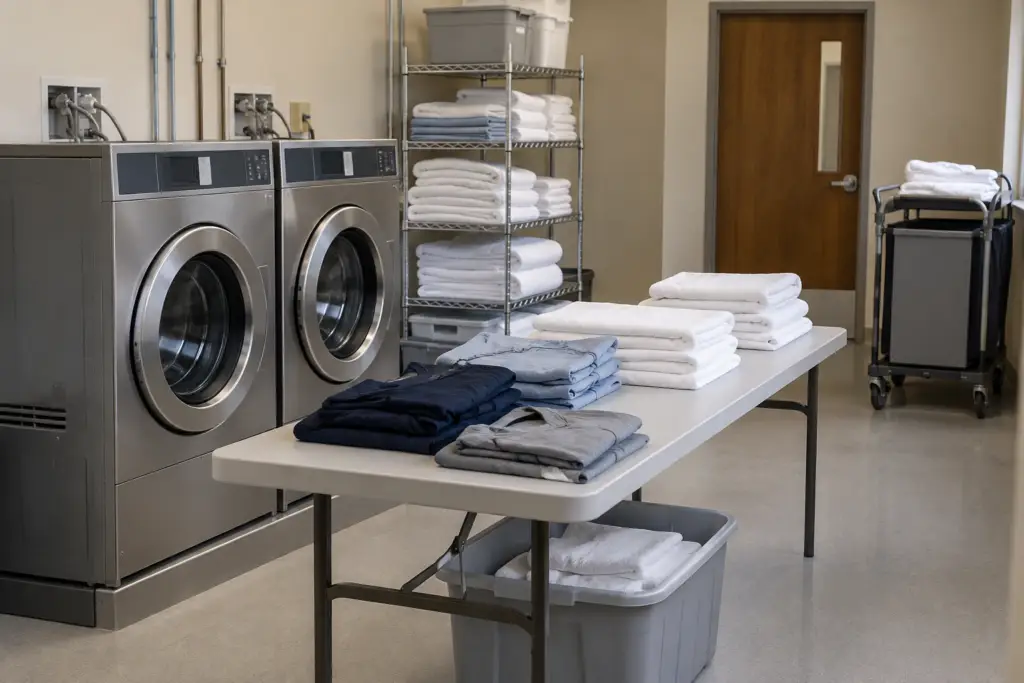
Where staff wash personal clothing or linens, review hardness with the chemical program. Account for the mix of small resident loads and larger housekeeping cycles.
Ideal Water Solutions can help choose treatment locations and service arrangements that fit the residence. Favor a clear maintenance plan over multiple devices with uncertain ownership.
Consider central or branch softening where measured hardness is contributing to apartment-fixture or shared-laundry deposits.
Target a documented concern at a dining or drinking-water connection while retaining the equipment’s required cleaning and maintenance routines.
Investigate existing treatment when complaints recur across served apartments, checking actual delivered quality before adding more local devices.
Coordinate service locations, resident access and staff responsibilities so inspections and consumable changes fit ordinary facility routines.
Share affected apartment locations, shared-service equipment and the current access process. Include water results and laundry arrangements. The review can then define the treatment boundary and who will carry out routine tasks.
CHECK WATER-TESTING OPTIONSDescribe the affected apartments or shared service, the maintenance history and the team coordinating resident access.
Should each resident apartment have its own filter?
Only where a defined need and practical maintenance arrangement support it. Multiple local devices can complicate service ownership, so compare a targeted or shared approach first.
Can treatment maintenance be handled outside apartments?
Often this is possible with suitable shared plumbing and utility access. Verify the actual branches before assuming a central location will serve the affected fixtures.
How should personal-laundry services be included in sizing?
Use the actual washer types, load counts and schedules, including housekeeping linen. Resident count alone does not describe the mixture or timing of those loads.
Do dining-area ice machines need the same treatment as apartment taps?
Not necessarily. The ice machine’s written requirements determine its feed treatment, while apartment concerns should be investigated on their own evidence.
How can installation be coordinated with assistance routines?
Work with resident-services staff to identify affected rooms, assistance periods and alternate arrangements. Include restoration checks in the schedule before returning a branch to normal use.
