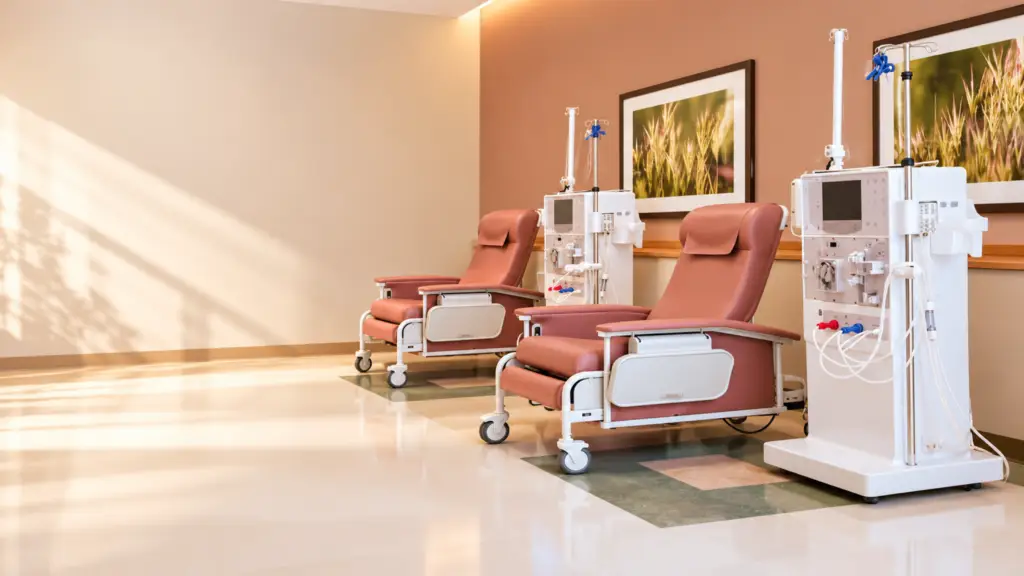
Define infrastructure work within the dialysis-water program, from incoming supply through the specified delivery system.
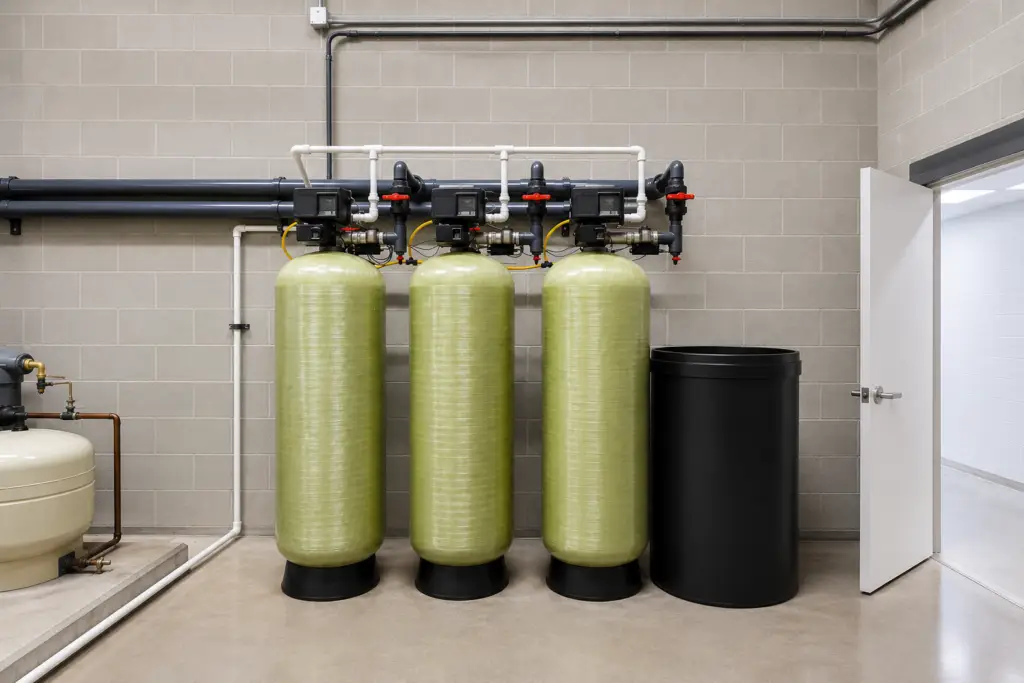
Characterize the supply and review any supplier changes through the written program. Pretreatment selection and monitoring must address the actual source and downstream equipment requirements.
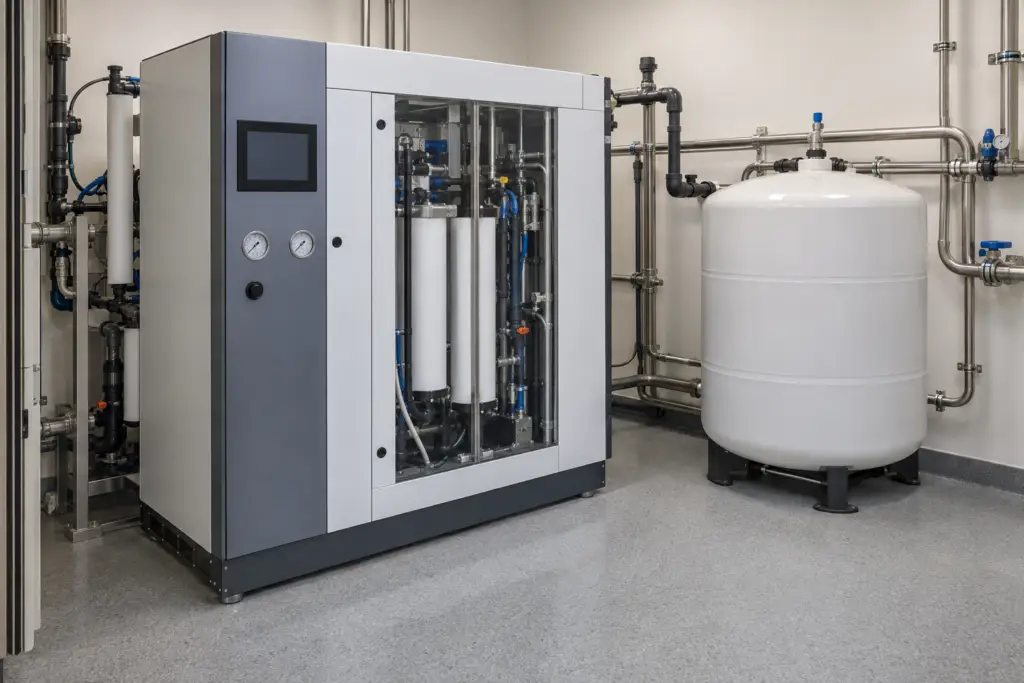
Assess the qualified treatment and distribution arrangement as a complete system. Capacity, monitoring points, alarms and required verification belong within the documented design and operating procedures.

Restrooms, cleaning and staff facilities have their own plumbing needs. Trace these connections so routine building work is not mistakenly treated as independent of the dialysis system when supplies are shared.
Ideal Water Solutions can discuss water-treatment infrastructure with the center’s responsible team. System selection, service authorization and release require the qualified oversight and testing defined by the dialysis-water program.
Evaluate dedicated dialysis-water infrastructure against the complete written specification, including pretreatment, distribution, monitoring and required acceptance activities.
Coordinate source characterization and the required analytical scope with qualified program personnel. A general water test does not replace prescribed dialysis-water testing.
Review station additions, source changes and service continuity with the clinical and technical team before modifying the established system.
Define service work against the installed system’s instructions and authorized procedures, including documentation and verification before return to use.
Provide current diagrams, equipment information, applicable specifications and the proposed change. The responsible team should identify required testing, approved service arrangements and acceptance authority before an infrastructure scope is finalized.
DISCUSS THE REQUIRED TESTING SCOPEDescribe the infrastructure project and identify the qualified program or technical contact coordinating requirements and system review.
Is a standard commercial RO system sufficient for dialysis?
The product label alone cannot establish suitability. The complete system must meet the applicable dialysis-water requirements and be operated, monitored and verified under the center’s written program.
What should happen when the municipal supplier changes treatment?
Route the information promptly through the dialysis-water program’s responsible personnel. They determine the assessment, monitoring and operational response required by the applicable procedures.
Can more treatment stations be added without changing the water system?
Only after a qualified capacity and system review. Include simultaneous demand, distribution configuration and monitoring implications, with required verification before the expanded arrangement enters use.
Can ordinary facility water bypass dialysis treatment during service?
Do not assume it is an acceptable alternative. Continuity arrangements must be defined and authorized through the dialysis-water program and applicable clinical and equipment requirements.
Who authorizes the system’s return after maintenance?
The personnel designated by the center’s written program do so after required service documentation and verification are complete. An installer’s completion notice alone is not system release.
How should a change to a dialysis-water treatment component be documented?
Record the component, reason for replacement, specifications, service work and verification required by the center’s program. Have the designated qualified personnel review the change and authorize release. Matching pipe connections or a supplier’s description does not establish equivalence for the complete dialysis-water system.
