
Balance shared building needs with the water concerns and preferences of individual residents.
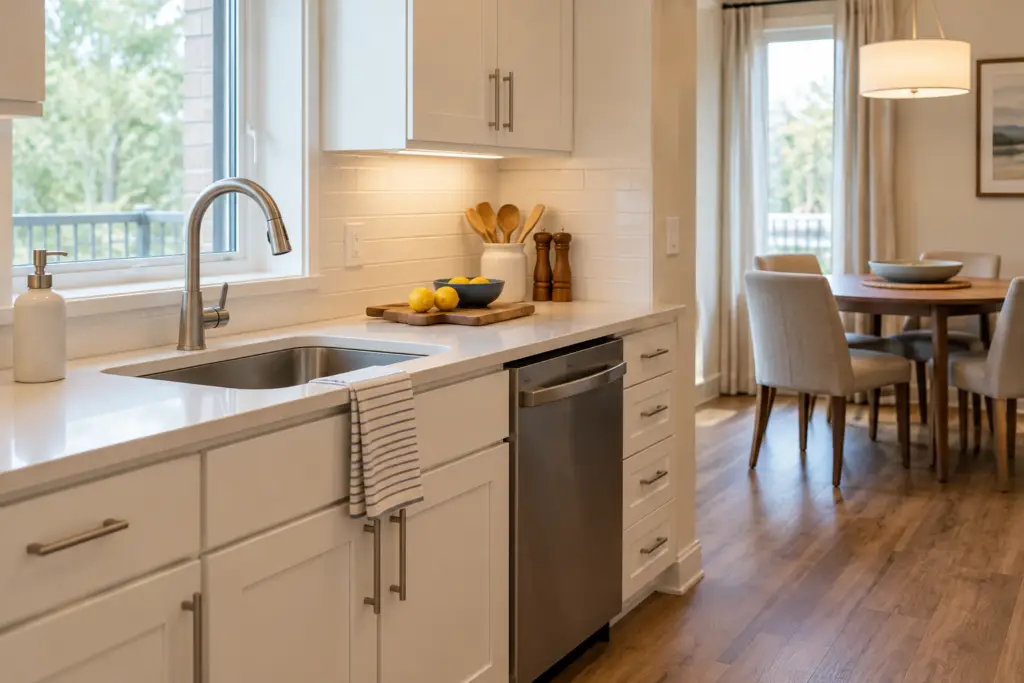
Resident-owned appliances and filters may receive the common supply but have separate service needs. Record reported concerns and existing devices, then clarify which work belongs to the resident or property team.
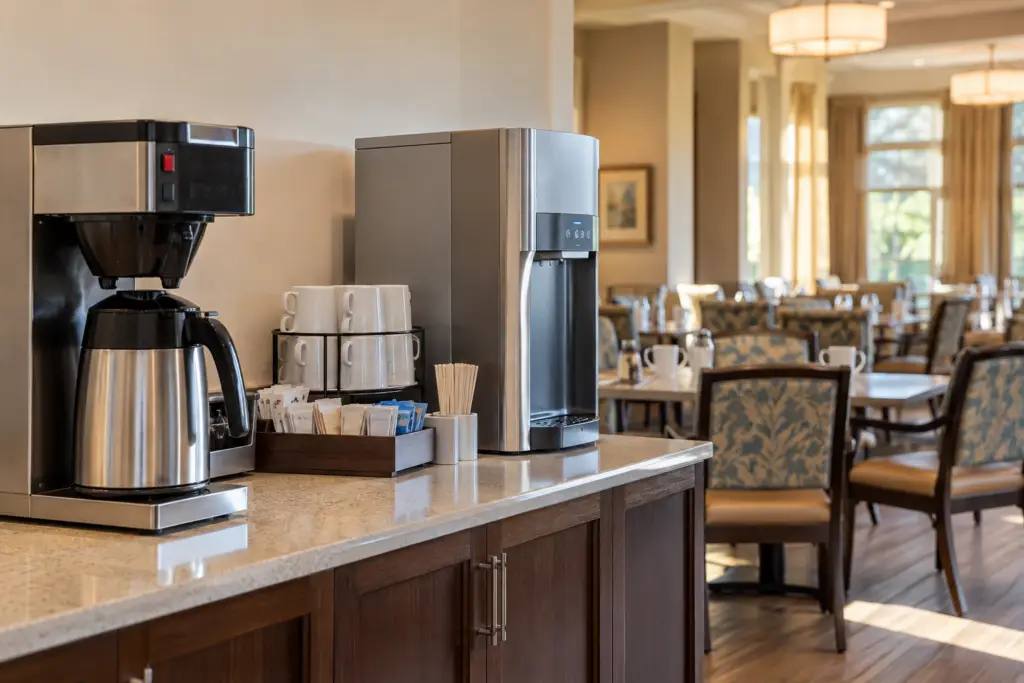
Community dining, beverage stations and shared laundry have concentrated loads. Check appliance requirements separately from the water supplied to private apartments.
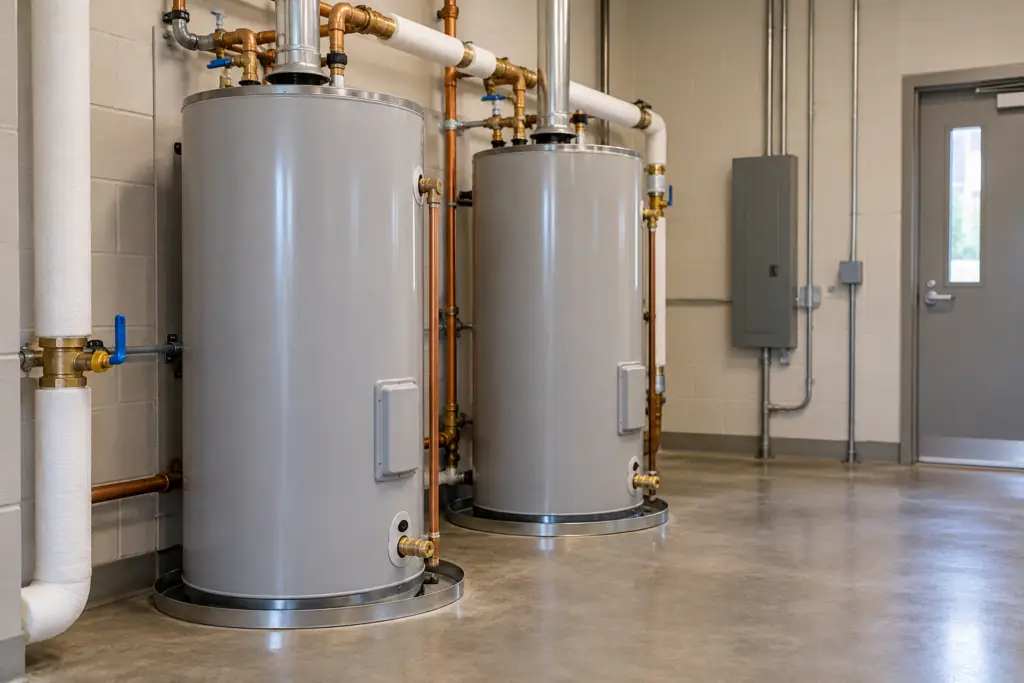
Where heaters or other equipment serve multiple residences, evaluate chemistry alongside demand and maintenance records. Keep equipment-specific treatment requirements distinct from resident drinking-water preferences.
Ideal Water Solutions can compare central and targeted options with the property team. Include access, consumables and service costs so the preferred design remains practical after installation.
For confirmed shared hardness problems, evaluate a central or hot-water-branch system sized to apartment and amenity demand.
Address a documented concern at a communal drinking or beverage station with treatment matched to that outlet’s requirements.
Where central softening is selected, plan inventory and delivery access within the property’s maintenance operation.
Compare building-wide and branch options, including resident notifications, unit access and phased work across multiple buildings.
Provide building and unit counts, resident concern locations and central-equipment details. Note existing local devices and responsibility for their upkeep. These facts help compare treatment scope and communicate the proposed change clearly.
EXPLORE SOURCE-WATER TESTINGDescribe whether concerns affect individual apartments, a building or community services, and identify the property contact leading the review.
Will a central softener address every resident’s drinking-water preference?
No. Softening addresses hardness, not every taste or dissolved-water characteristic. Explain its defined purpose and assess other concerns separately before recommending additional treatment.
Can resident-owned filters remain after a central upgrade?
Review their compatibility and the property’s policies. A supply change may alter cartridge needs, while responsibility for local maintenance should remain clear.
Should dining facilities share the apartment treatment system?
Only where equipment specifications and combined demand permit it. A dining machine may require dedicated treatment even when apartment hot water uses central softening.
How should shared treatment costs and responsibilities be explained to residents?
Describe the connections served, the documented purpose and the recurring items such as salt, cartridges and service. Explain which tasks belong to property management and which remain with resident-owned devices. Use the community’s established communication and charging policies rather than implying every apartment receives identical treatment.
What should residents be told before installation?
Explain which connections are affected, the expected interruption and any access arrangements. Describe routine maintenance responsibility and avoid promising changes outside the system’s defined treatment purpose.
