
Keep routine water maintenance from becoming a recurring interruption to the appointment day.

Record which sinks repeatedly need attention and whether the problem follows a room or a plumbing branch. Fixture service and supply-water treatment should be considered separately.

If staff report a taste or odor change, compare the source and dispenser supply. A dedicated filter may be appropriate after the cause and maintenance responsibility are established.
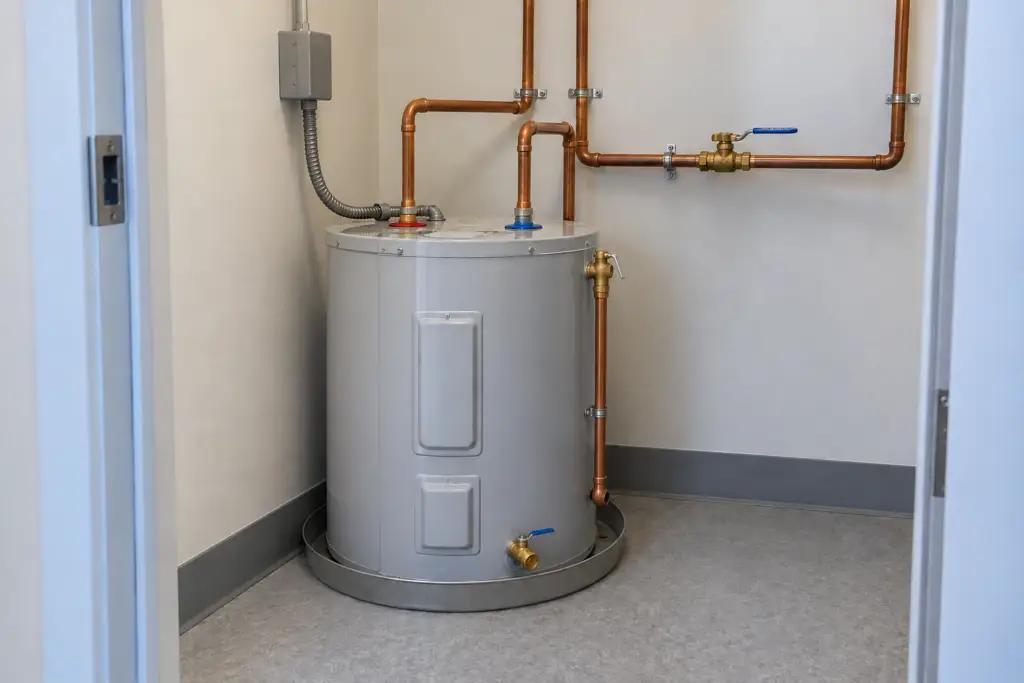
Review heater service records and actual hardness where deposits recur. Confirm the heater’s capacity and controls as well, since a temperature complaint does not by itself justify softening.
Ideal Water Solutions can help a practice distinguish a repair, a targeted treatment need and a building issue. Recommendations should suit the office’s resources for inspection and ongoing service.
Choose samples that answer the reported fixture or supply question, providing a basis for a specific repair or treatment decision.
For a confirmed concern at a staff dispenser, select a suitable filter and a replacement schedule with an assigned maintenance owner.
Evaluate hardness reduction for affected office heating equipment when water results and service findings support it, including practical salt and drain access.
Check existing treatment and controls when recurring work orders suggest restricted flow, exhausted media or incorrect settings.
Share the recurring work orders, affected room locations, heater details and available test results. Identify building-management responsibilities and the practice’s closed hours so the next step can be planned around appointments.
EXPLORE DIAGNOSTIC WATER TESTINGTell us which fixture or piece of equipment needs repeated attention and what has already been repaired or replaced.
Is a patient handwashing sink a high-purity water application?
Do not infer that from its location. Follow the facility’s applicable water and infection-prevention procedures. Dedicated purity requirements arise from specified devices or processes and need their own assessment.
Should one stained fixture trigger treatment for the whole office?
No. Investigate the fixture, branch and source conditions first. A localized issue may require cleaning, repair or a targeted intervention instead of a system serving every outlet.
Can staff manage routine filter changes?
Only where the equipment instructions and practice procedures allow it and a trained owner is assigned. Include replacement intervals, documentation and service access when evaluating the ongoing workload.
What treatment records should stay with a practice when maintenance staff change?
Keep equipment models, served outlets, cartridge types, replacement dates, water results and supplier instructions in a practice-owned record. Include the maintenance contact and unresolved issues. A new office manager should be able to identify the installed system without relying on the previous provider’s memory.
Can the work fit between appointment days?
Often the schedule can be planned around closed hours, but include isolation, installation and required verification time. Confirm any building-access arrangements before selecting the work window.
