
Turn recurring fixture and appliance complaints into a focused water-maintenance plan for the property.
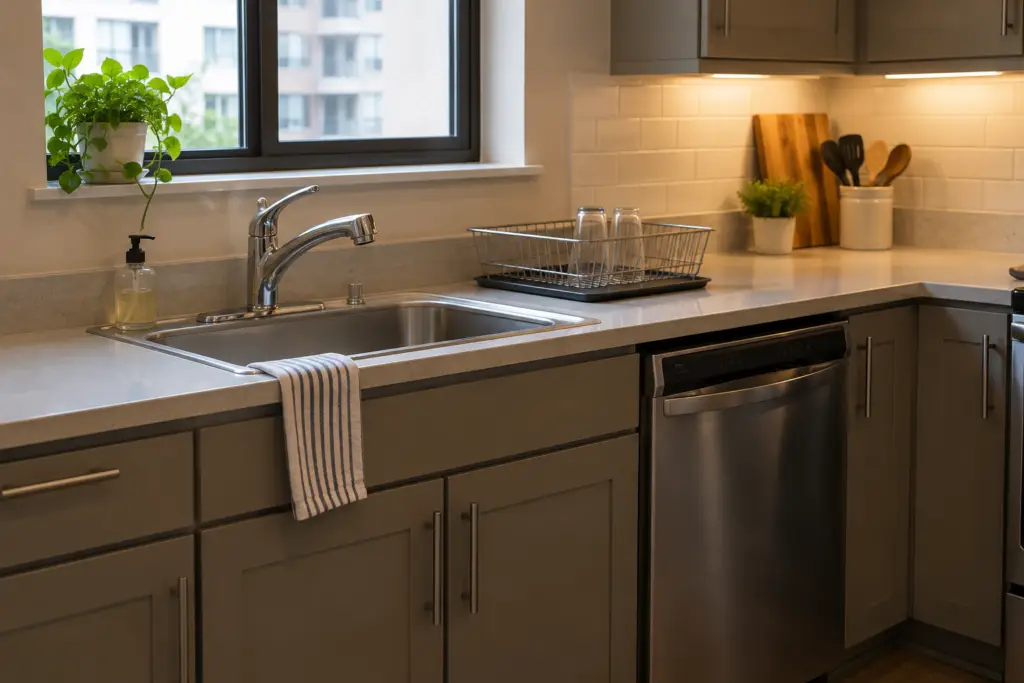
Document repeated aerator, dishwasher or fixture issues during service and turnovers. Distinguish confirmed deposits from worn parts or resident-installed devices before expanding the treatment scope.
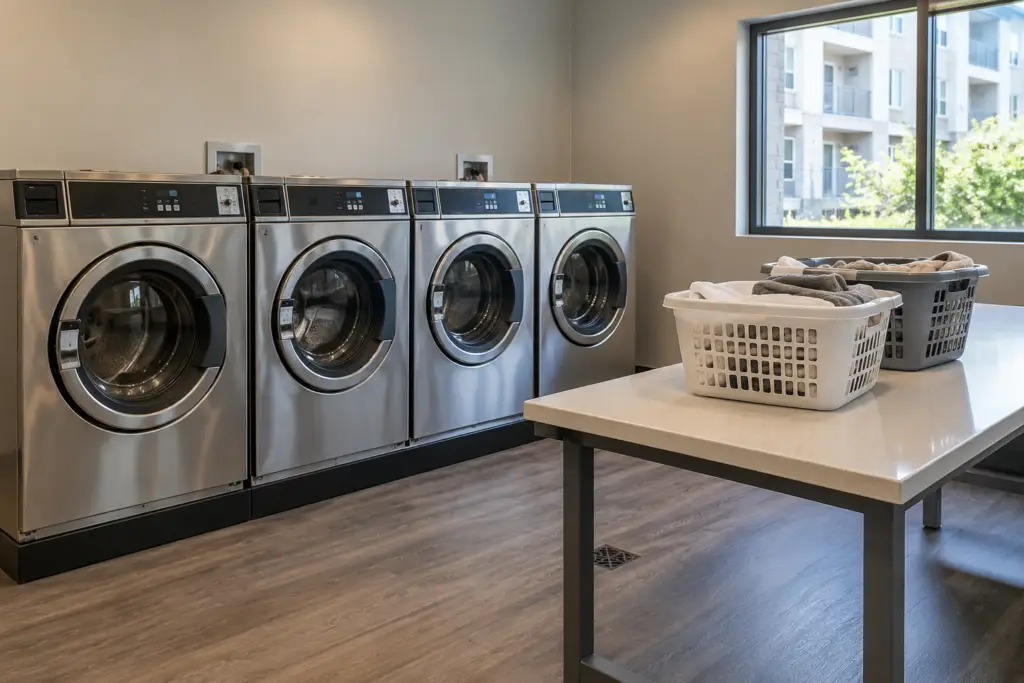
Washer demand can peak when residents return home. Review hardness with machine requirements and measure combined fills before sizing treatment for the laundry room.
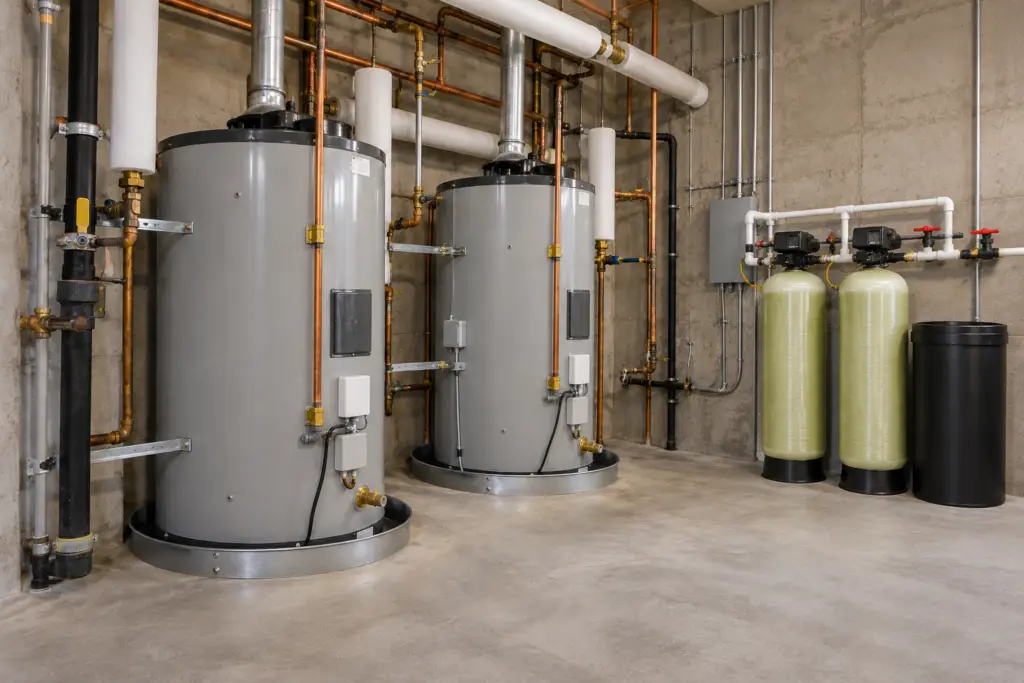
Use inspection and service records to assess recurring deposits. Check recovery capacity, controls and distribution separately when residents report insufficient hot water.
Ideal Water Solutions can help prioritize the equipment and branches responsible for repeated service work. A treatment plan should include accessible upkeep and a way to compare conditions after the change.
Consider hardness control where deposits are documented in central heaters, shared laundry or the supplied units, sized to occupied-property demand.
Address a verified particle or other treatable concern on the affected building or amenity supply instead of assuming every unit needs a device.
Inspect existing systems for restrictions, exhausted media or regeneration problems before replacing treatment across the property.
Where softening is justified, align replenishment with usage and provide a delivery route that maintenance staff can manage year-round.
Share recent work orders, unit and building counts, washer details and heater service history. Include test results and the proposed success measure, such as a specific deposit problem or repeated equipment service task.
INVESTIGATE YOUR WATER CONDITIONSIdentify the buildings or units affected and what staff have already repaired. A few representative work orders can help focus the visit.
Should all buildings in a portfolio get identical treatment?
No. Compare their water sources, plumbing and equipment first. A common assessment process is useful, but treatment and capacity should follow each property’s conditions.
Can unit turnovers be used for water inspections?
Yes, they can provide convenient fixture and appliance access. Also assess occupied-period demand so observations from vacant units do not substitute for the building’s operating conditions.
Will a softener fix low pressure on upper floors?
Not necessarily. Investigate supply pressure, distribution, fixtures and existing restrictions. A chemistry problem and a pressure problem may require separate work.
How can we tell whether treatment helped the maintenance issue?
Record relevant water results and service frequency before and after the change. Compare similar occupancy and equipment conditions, and avoid attributing unrelated maintenance changes to the system.
What happens when laundry moves from shared rooms into units?
Recalculate where and when demand occurs. The treated-water boundary, simultaneous flow and maintenance responsibilities may change even if the property’s unit count stays the same.
What should be checked before reusing a filter left by a departing tenant?
Identify the device, its ownership, installation condition and service history before reuse. Confirm the intended water concern and manufacturer requirements, including any replacement or restart work. An unknown cartridge age or undocumented connection should not be treated as a ready-to-use amenity for the next resident.
