
Give the association a clear basis for deciding which water improvements belong to the shared building system.
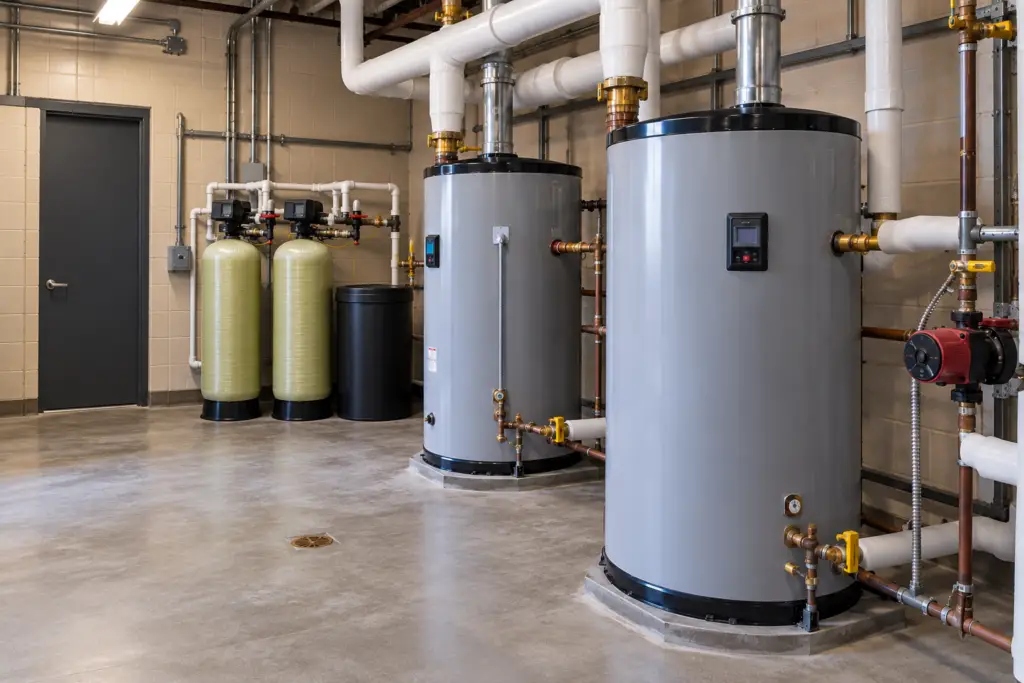
Review heater and heat-exchanger service findings with incoming hardness and actual demand. Common equipment may justify targeted treatment even when the cold-water supply is left separate.
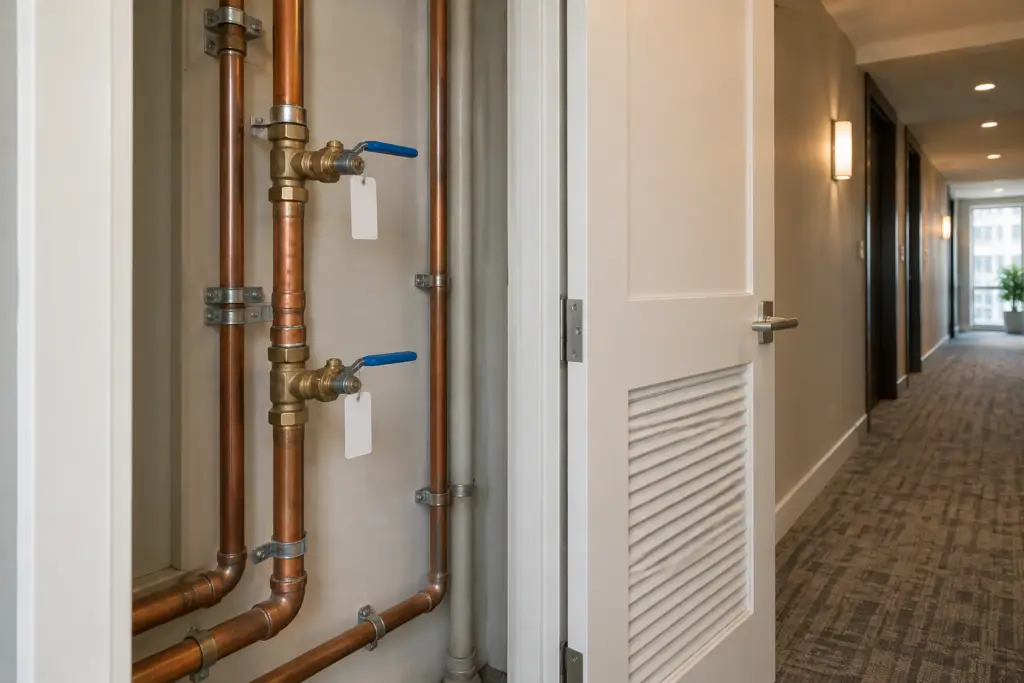
Compare affected floors and risers, noting owner-installed filters or softeners. This helps distinguish a building condition from a local device or fixture problem.
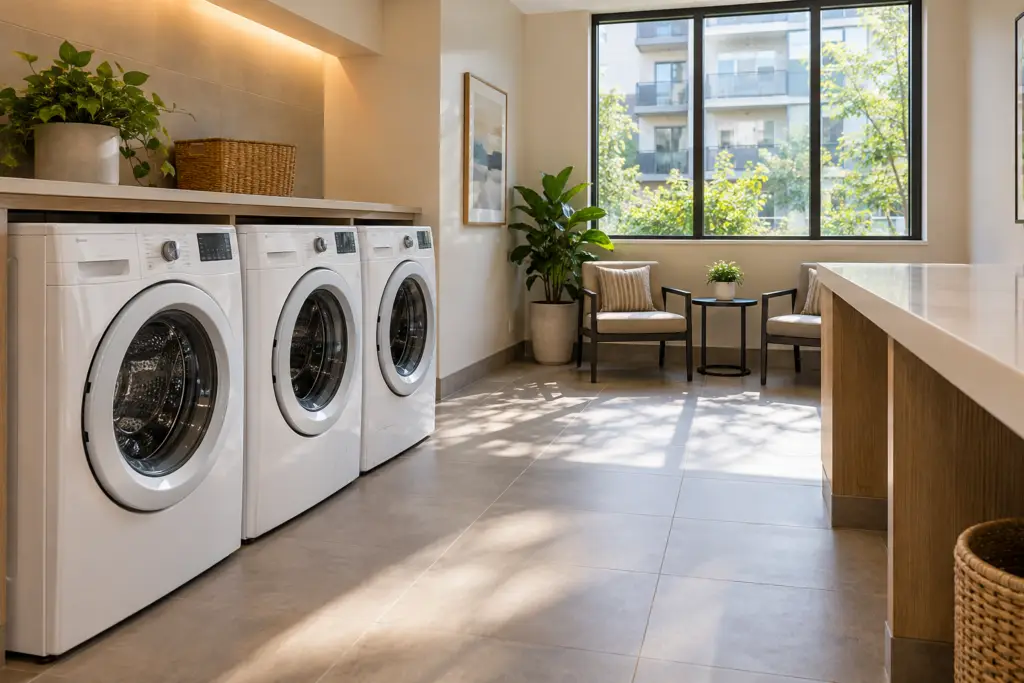
Shared laundry, clubrooms and beverage equipment have their own demand and specifications. Include them in capacity calculations only where the proposed system will actually serve them.
Ideal Water Solutions can compare treatment options with the association’s building team. Include service access, consumables and recurring responsibilities alongside the equipment proposal.
For confirmed hardness problems in shared heaters or supplied units, compare central and hot-water-branch treatment against measured demand.
Select filtration for an identified shared-supply or amenity concern, with a clear explanation of the conditions it addresses.
Where central softening is selected, plan replenishment and storage as an association maintenance expense with an accessible delivery route.
Define common-system boundaries, affected units and implementation phases so the board can assess the project and communicate it to owners.
Bring the unit concern log, available plumbing diagrams, common-equipment records and recent water results. Identify existing owner devices and association maintenance responsibilities so options can be compared on the same scope.
EXPLORE BUILDING-WATER TESTINGDescribe the affected units or common equipment and identify the board, management or engineering contact leading the review.
Does an owner’s filter recommendation apply to the entire building?
Not necessarily. Verify the building supply, the reported concern and combined flow. A product suited to one appliance may not address common equipment or be practical at building scale.
Can the association treat only the shared hot-water supply?
It may be possible if the plumbing supports that boundary and the treatment addresses the documented problem. Explain clearly which cold-water fixtures and owner appliances would remain outside the scope.
What operating costs should the board compare?
Include applicable salt, filters, service, water and sewer use, monitoring and access needs. Compare options serving the same defined connections rather than equipment purchase price alone.
Will every unit need access during a central installation?
That depends on the connection and verification plan. Establish required unit visits and notices during scoping instead of assuming a mechanical-room installation needs no owner coordination.
How can the board compare proposals that serve different parts of the building?
Ask each provider to identify the connections served, design demand, treatment objective and recurring costs. A heater-only proposal and a whole-building proposal should be evaluated against their respective scope before comparing prices.
What ongoing information should the board receive after treatment is installed?
Request a concise record of the system’s defined purpose, relevant water results, maintenance completed, consumable use and unresolved issues. Compare actual operating costs with the approved scope. Reporting should show whether the shared system is being maintained and meeting its objective, not simply that equipment is present.
