
Understand what changes between the community source and the water arriving at each home.
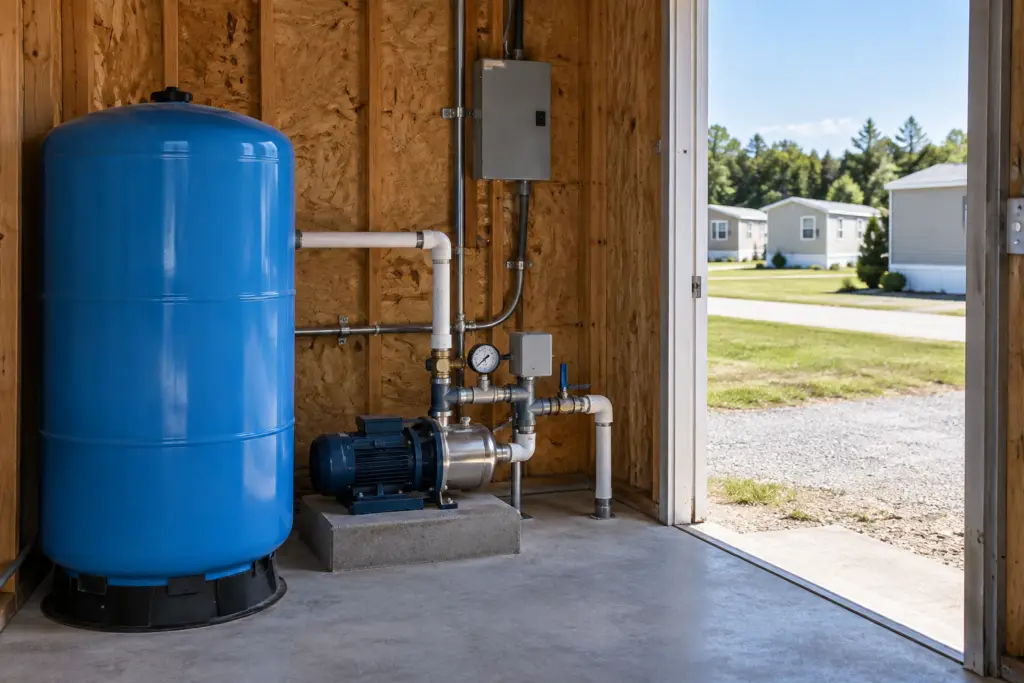
Identify whether water comes from a well, utility or multiple supplies. Characterize the actual concern and any seasonal variation before choosing media or estimating treatment capacity.
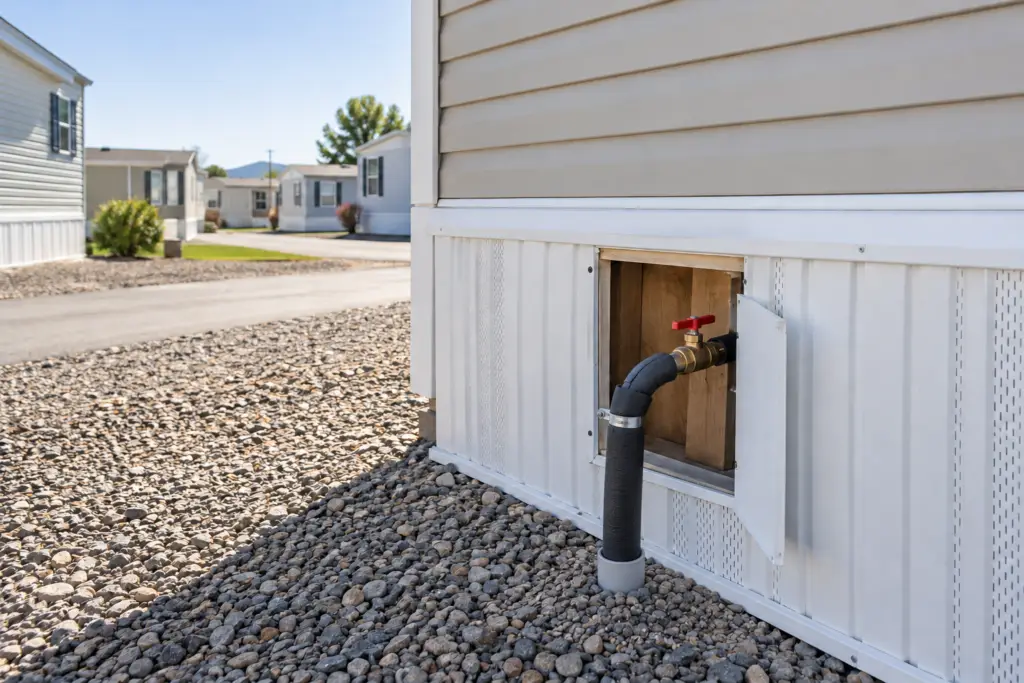
Compare pressure and reported conditions at near and distant connections. Note private filters or softeners so their effects are not mistaken for the quality delivered by the community.
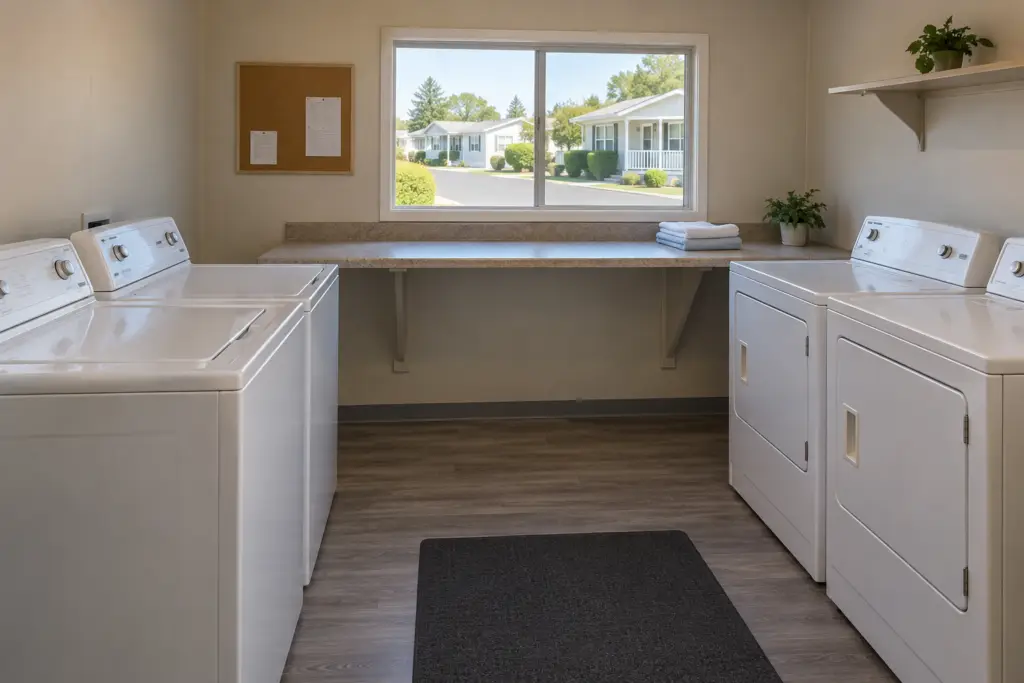
Laundry rooms, clubhouses and maintenance areas can justify dedicated treatment. Check their equipment requirements separately from household supplies and outdoor water use.
Ideal Water Solutions can help assess the source and served connections with the community’s operator. The design must account for available flow, maintenance resources and the complete distribution arrangement.
Plan representative source and downstream samples to locate the concern, with the responsible operator defining any required system testing.
Select filtration for identified source constituents or particles, considering service flow and the water and drainage needed for maintenance.
Where hardness control is justified, compare community, shared-facility and home-level options with realistic regeneration and service arrangements.
Coordinate source capacity, pressure zones, ownership boundaries and operator responsibilities before adding treatment to a distributed community supply.
Share source information, sampling history, occupied-home count and locations of reported concerns. Include pressure observations and existing treatment so the assessment can distinguish supply, distribution and individual-property issues.
PLAN REPRESENTATIVE WATER SAMPLINGIdentify the water source, the homes or shared facilities affected and the person responsible for operating the shared supply.
Can a treatment system at the well solve low pressure at distant homes?
Not by itself. Evaluate pump capacity, storage, distribution and restrictions. Additional treatment also has a pressure requirement that must be included in the hydraulic review.
Should samples come only from the community entrance?
That may not answer a downstream complaint. Compare representative source and delivery locations under an appropriate sampling plan to understand where conditions change.
Who maintains equipment inside an individually owned home?
Clarify that through the community’s ownership and service arrangements. A proposal should state whether it covers the shared supply, the home connection or equipment inside the residence.
How does seasonal occupancy affect treatment?
It changes volume and timing, potentially affecting regeneration or maintenance needs. Use occupied-season demand as well as low-use periods when evaluating operating settings and service plans.
Can a second well use the first well’s treatment design?
Only after its chemistry and capacity are assessed. Different sources may need different treatment or operating arrangements, particularly when they are blended or alternated.
