
Plan for a full residence hall at morning peak and a different operating pattern during academic breaks.
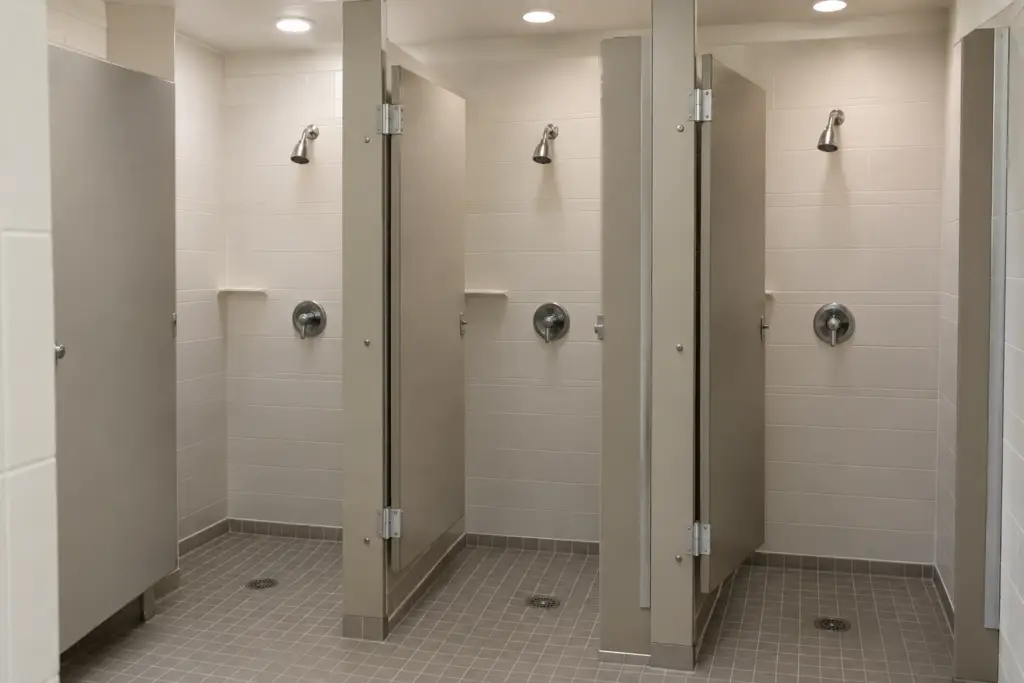
Measure demand when many residents prepare for classes at once. Check hardness-related deposits separately from pressure and hot-water recovery limitations.
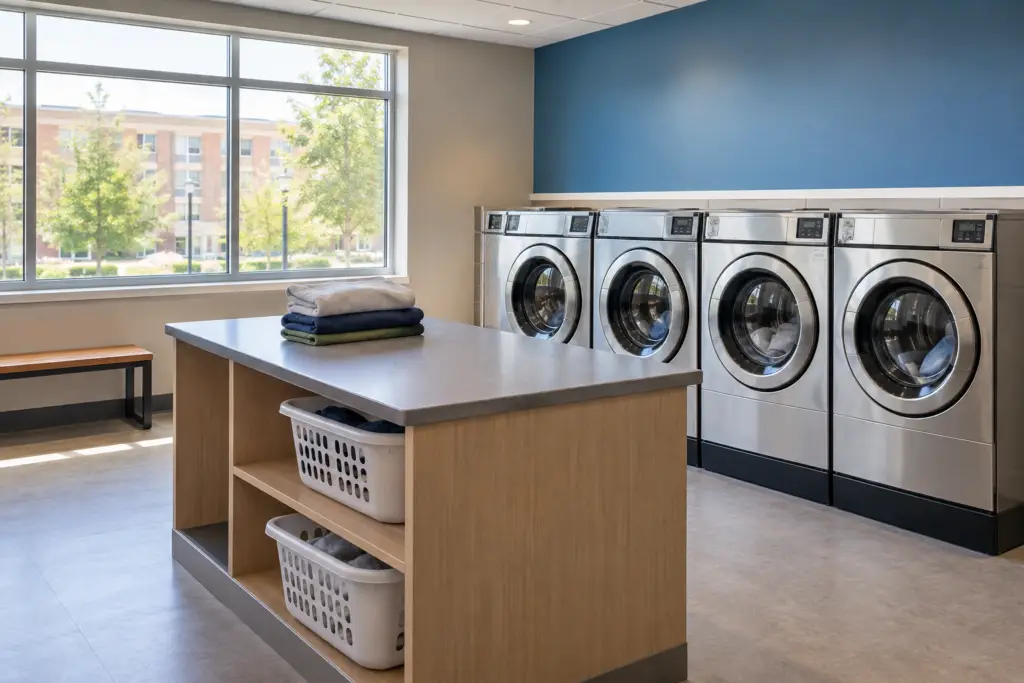
Multiple machine fills can coincide with evening showers. Include the washer bank’s actual consumption and the laundry provider’s requirements in branch capacity calculations.
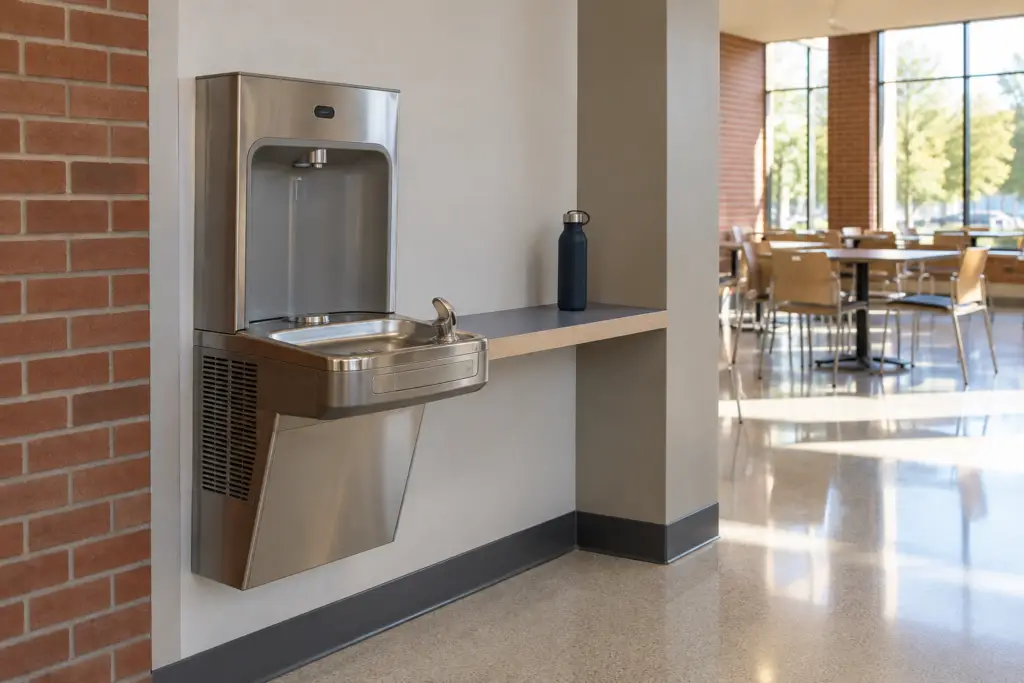
Residence dining equipment and bottle fillers serve different purposes. Select any treatment from the specific machine requirements or documented outlet concern, with assigned cartridge service.
Ideal Water Solutions can help compare term-time loads with break schedules and existing equipment. Plan capacity for the required peak while keeping inspections and consumable changes manageable across the year.
Where hardness affects showers, heaters or laundry, assess treatment availability during synchronized residential peaks and regeneration periods.
Target a verified concern or equipment requirement at dining and refill stations, with cartridge capacity matched to student usage.
Adjust replenishment planning to occupied terms and summer use where softening is part of the design.
Coordinate installation, low-use maintenance and required restart checks with housing assignments and the academic calendar.
Share beds, shower counts, washer models and dining equipment, plus summer and break occupancy. Recent water results and pressure observations during busy periods help separate treatment needs from supply or heating limitations.
PLAN RESIDENCE-HALL WATER TESTINGIdentify the residence halls involved, the recurring issue and key move-in or maintenance dates.
Is summer always the best time for installation?
Only if the affected buildings are actually available. Summer classes, camps and conferences can maintain demand, so confirm housing assignments and service needs before scheduling work.
Can term-time settings remain unchanged during a long break?
Review settings and maintenance under the equipment instructions and facility water program. Reduced use can change operating needs, and return-to-service procedures should be planned in advance.
Why does demand peak even when not every bed is occupied?
Residents often follow similar class or activity schedules. Simultaneous showers and washer fills can create a high short-term load despite lower total daily consumption.
Should bottle-filler cartridges be changed only at semester end?
Use the manufacturer’s interval and actual demand, along with the facility’s procedures. A semester date is a scheduling convenience, not evidence that a cartridge remains suitable until then.
How should new residence halls be added to central treatment?
Assess their equipment, plumbing and peak demand together with the existing halls. Check simultaneous morning loads and available treatment capacity before extending the shared supply.
What treatment responsibilities should be agreed with an outside residence-laundry contractor?
Define who supplies the required water profile, maintains shared or machine-level treatment and records performance concerns. Include access during breaks and procedures when machines are replaced. The housing team and contractor should use the same connection boundary and peak-demand assumptions when reviewing a problem.
